



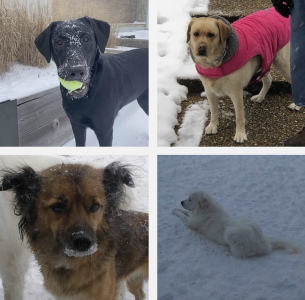
JAMES CITY COUNTY — As the region begins to feel the arctic chill, families are reminded to care for not only their human counterparts, but their four-legged family members, as well.
Tony Quiros, James City County Police Animal Control Officer, recently sat down with WYDaily to prepare pet owners with tips as the cold weather arrives in the Historic Triangle.
Virginia Law states that “animals must have shelter that is safe and protects each animal from injury, rain, sleet, snow, hail, direct sunlight, the adverse effects of heat or cold, physical suffering, and impairment of health; is properly lighted; is properly cleaned; enables each animal to be clean and dry, except when detrimental to the species.”
That shelter requirement must be met when the temperature is 32 degrees and below. Water must also be provided, be clean and not frozen. If the shelter and water requirements are not met, it opens up the means to charge the owner with animal cruelty.
Quiros summed it up, saying, “In other words, if you were in trouble with your significant other, the doghouse is a warm option for you to sleep in. The water bowl must be kept full of water clean enough for you to drink and that is not frozen.”
When it comes to livestock and farm animals, the same shelter and water requirements must be met.
Quiros added that with the new popularity of residents purchasing hens, the caretakers should be aware of the signs of hypothermia in that particular species.
“Continuously monitor your hens for signs of hypothermia such as shivering, huddling, ruffled feathers, pale combs/wattles. A healthy hen comb will be vibrant red, with a glossy sheen. Firm and plump. Apply Vaseline to protect the large combs,” he said.
Quiros also says that if someone sees what they consider to be animal mistreatment or cruelty, contact 911 or the county police non-emergency phone number so an officer can be dispatched to the location as quickly as possible.
Quiros’ bottom line remains the same; keep your pet safe and warm during the plummeting temps.
“Keep them dry, keep them elevated off the cold ground, and if you can bring them inside, bring them inside,” he said.
For more information on cold weather pet safety, visit avma.org.