


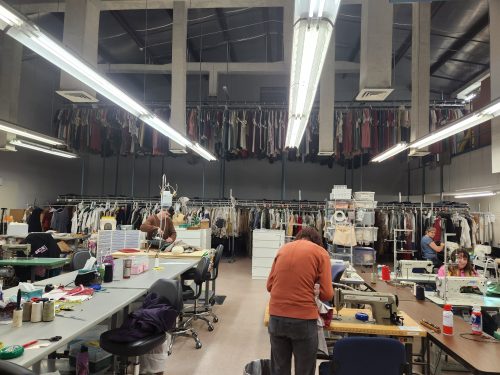
WILLIAMSBURG — How is it Done is an occasional series examining the inner workings of a trade or business to see how it operates or makes something. Today’s story is about Colonial Williamsburg Historic Clothing and Dress.
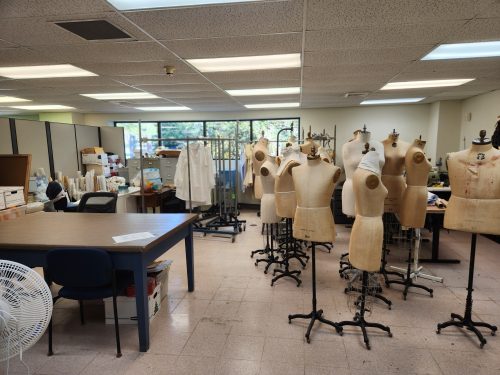
In operation since 1934, Colonial Williamsburg Historic Clothing and Dress is responsible for dressing all of its roughly 400 employees, who may need multiple garments, to cover the many roles they might perform for the foundation. Currently, there are approximately 40,000 different garments ranging in styles and designs to suit the programming roles that the department curates and cares for.
“It’s this constant balance of trying to make things for new employees or for somebody that is taking on a new role and maintaining everything,” explained Rebecca Rhyne, Interim Manager of Historical Clothing and Dress.
Accessories and Shoes
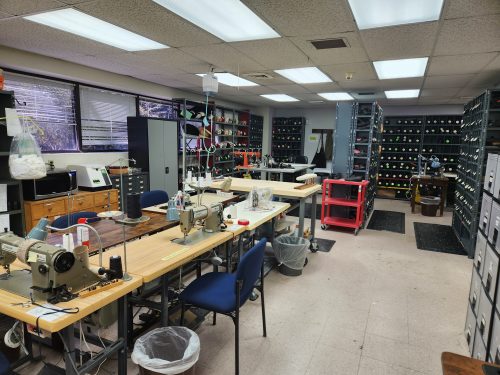
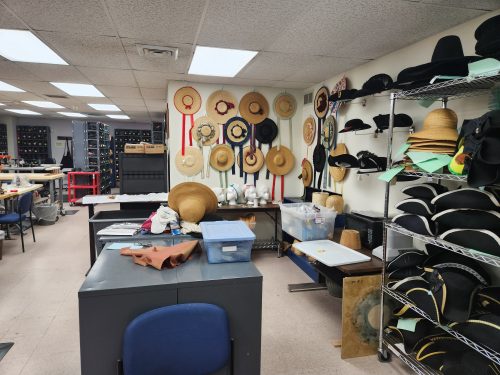
Somewhere between 60-70% of the accessories interpreters wear come out of the Historic Clothing and Dress’s accessories department, and while shoes are a separate department, the accessories department stores them.
While a portion of the accessories, such as jewelry or glasses, are purchased ready-made, the majority are made in-house from the very beginning. Shoes are purchased due to the sheer volume needed, but there is an in-house cobbler who adapts the shoes to make them more comfortable for the wearer and make them appear more period-accurate.
From Bolt to Body
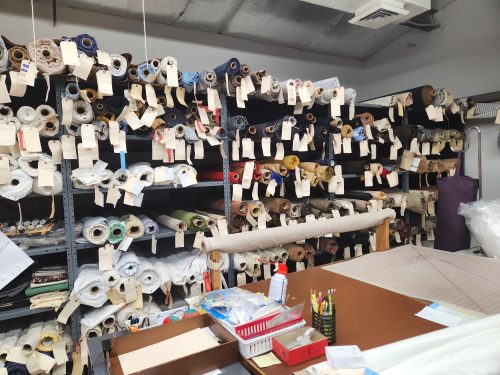
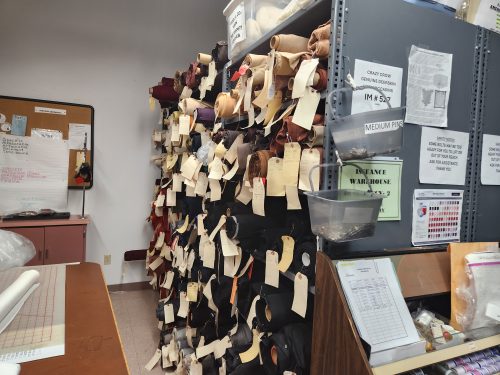
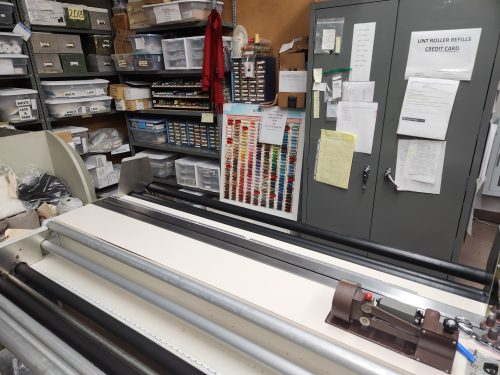
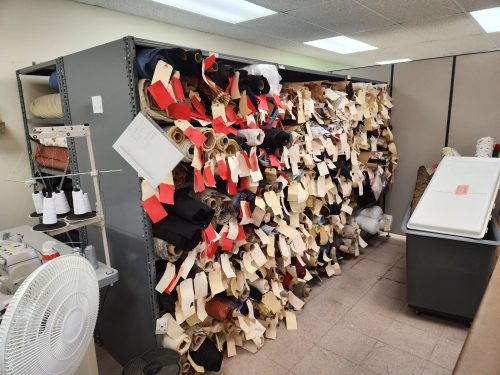
The process for designing clothing starts with the cutter/fitter, who will work with the issuance and inventory supervisor to get the necessary fabric. After discussing the appropriate yardage to be cut, the cutter/draper will work off someone’s measurements to pattern out a garment. Then, either the cutter/draper will do the cutting or pass it off to the first hand — ideally, a cutter/fitter in training.
Once the garment is cut, the pieces, as well as instructions, will move from the fit team to the tailor to make the garment. The department estimates, when starting from scratch, that a garment will pass through five to seven different sets of hands for a single piece.
One of the challenges faced when constructing costumes is balancing speed and accuracy. While it would be period-accurate to hand-sew an 18th-century garment, for example, it isn’t possible to keep up with the pace needed, so the clothing is instead sewn on machines.
“We can’t afford to try and make everything by hand. We have historic tradespeople that do that and they do make finished garments for employees to wear for particular types of things but the purpose of [this group] is to get as close as we can but using modern techniques and doing some of the finishing by hand to give it that look even if the basic construction is machine,” said Rhyne.
Something Rhyne said she wished people understood was the scale of the operation. For example, an employee could be assigned a large number of garments so they have clean clothes for their next day of work, especially if they are also featured in special programming that uses a different style of clothing, she explained
Rhyne also stressed the amount of effort that goes into assuring the pieces are as period-accurate as possible, from fabric selection to the shape and style of the garment. Research and design are primarily done elsewhere, but a committee assures Historic Clothing and Dress receives input and knowledge from subject matter experts.
“We have really assembled a unique and strong team here that pour a lot of love and thought into what we do and honestly, it really drives all of us to see our work on the interpreters and helping them do the best job that they can,” said Michael Ramsey, Accessories Craftsperson with Historical Clothing and Dress.
While many of the people employed at Colonial Williamsburg Historic Dress and Clothing come from costume design programs or uniform shops, Ramsey came into the shop with a background in history.
“Although we are primarily in a lot of ways a support staff, we also kind of get to shine through the work that we do,” he added.
“It is a big part of the guest experience, in the way that somebody comes to Colonial Williamsburg and how the clothing sets the stage for what they’re seeing and listening to, and I do think that these folks have a lot of pride in doing that,” said Rhyne.
Keeping Track of it All
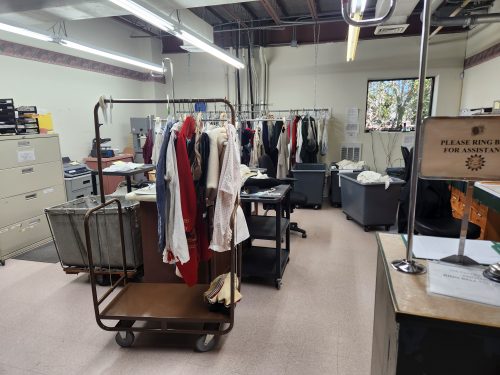
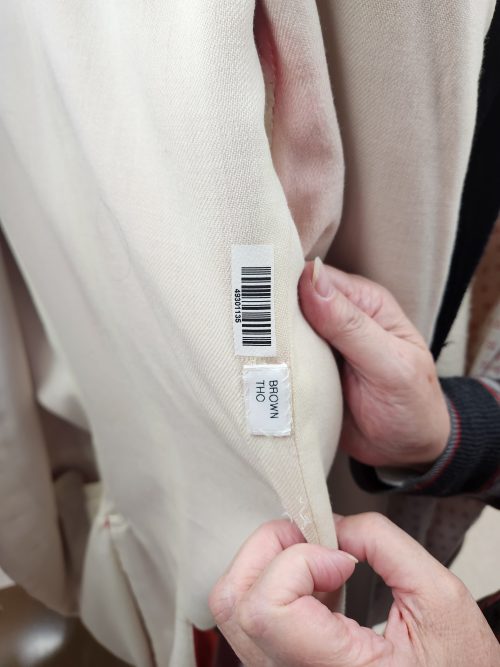
With approximately 40,000 different garments in the department’s care, it is a wonder how everything is kept track of. That is where Issuance comes in — where all of the clothing items each interpreter wears are tracked. Each item has a barcode attached to it, as well as a name and card. The barcode is attached by using an in-house heat press.
Each interpreter then has a card file that lists all the clothing assigned to them and the job sites they will be working at. These files sometimes also include swatches of fabric to make it easier in the future should the garment need to be remade or altered. While a system of files instead of something digitized can hold challenges, Rhyne says it helps for things such as swatching.
Currently, once someone’s measurements are taken for an article of clothing, the information is written down, it is determined how much fabric would be needed, and that is handed over to inventory and issuance. Inventory will take the measurements and then calculate how much it costs for the fabric used to make the clothing. The system is green screen-based at the moment, but this year the inventory is being moved over to a different operating system.
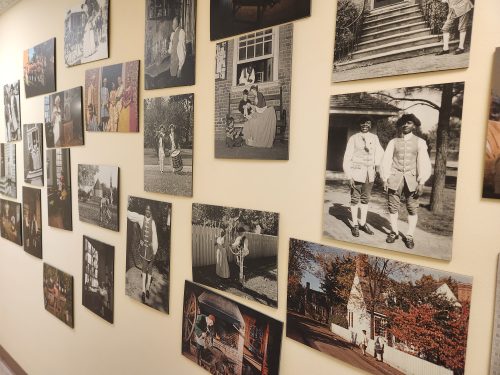
Colonial Williamsburg hosted its inaugural symposium on Historical Dress in November. Keep up with future Educational Conferences, Forums and Symposiums here.

