


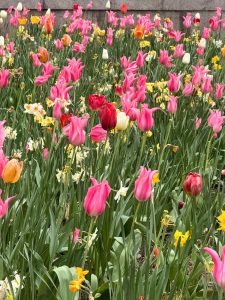
HAMPTON ROADS – As spring blooms across the region, many residents are feeling the effects of seasonal allergies, driven largely by increased pollen in the air.
Darcy Spurgeon, PA-C, of Riverside Health sat down with WYDaily to talk about seasonal allergies, what causes them, how to treat it, and how to prevent them from getting worse. “In our area it is mostly just all of our seasonal plants blooming and where we’ve seen pollen in a lot of our trees that have new blooms,” said Spurgeon. “It’s usually the same thing every year but it usually starts with the tree pollen.”
While the yellow dust coating cars often get the blame, it may not be the main culprit. “Believe it or not the yellow dust that we see on our vehicles and on the ground is not usually what causes most of the symptoms,” Spurgeon said. “It’s the pollen from the other plants and trees that are blooming in the background that we can’t see as well that cause most of the issues.”
Common signs and symptoms
Seasonal allergies can present in several ways, some more obvious than others. The most common symptoms include “itchy, watery eyes, runny nose, a little bit of a scratchy throat, wheezing, nasal congestion, and sometimes a dry cough,” Spurgeon said.
Some symptoms are frequently overlooked or mistaken for other conditions. “Sometimes we see people who may just have post-nasal drainage or dry cough as their only symptoms,” Spurgeon said. “Sometimes we just see people with ear fullness and pressure because of their allergies too and they mistake it for ear infection and it turns out to be an allergy.”
Distinguishing allergies from illnesses like colds or the flu is important. “Cold or flu will often come along with fever or body aches and chills, a productive cough which means you’re having some congestion in the chest and coughing up mucus,” Spurgeon said. In contrast, allergy symptoms typically do not include fever or thick, discolored mucus.
Who is most affected?
Seasonal allergies can affect anyone, even those who have never experienced them before. “Yes, actually yes, you can develop allergy symptoms at any point in life,” Spurgeon said. Repeated exposure to new environments can trigger reactions over time such as “your body can decide it doesn’t like it and you develop an allergy.”
People with asthma may be especially vulnerable. “If you do have an underlying respiratory condition, allergy symptoms can trigger that to worsen,” Spurgeon said, urging those individuals to keep symptoms under control.
Practical tips to reduce exposure
Reducing contact with allergens can make a significant difference. One of the simplest strategies is rinsing out nasal passages after being outdoors.
“If they have to be outside during this time of year, I strongly recommend that they use a nasal saline irrigation after they come back indoors,” Spurgeon said. “That will help to actually flush out the irritants and the pollen from their nasal passages.”
At home, maintaining clean air can also help. Recommendations include “making sure that they have clean air filters on their HVAC system,” along with using “pillow covers, mattress covers, frequent vacuuming.”
Weather conditions can also play a role. “When the conditions get drier, pollen tends to be in the air more,” Spurgeon said. “When it’s windier, we have people with more symptoms.”
Treatment options: Over-the-counter vs. prescription
Most people can manage symptoms with nonprescription treatments. “Actually most treatments for seasonal allergies are non-prescription now,” Spurgeon said. Options include oral antihistamines, nasal steroid sprays and allergy eye drops.
“Adding in that, you know, the saline that I mentioned in the beginning combined with one or two of those other treatments usually does a pretty good job,” Spurgeon said.
However, some patients may need stronger care. “If they’ve tried over-the-counter options for two weeks and symptoms have not improved or they’ve improved but not enough that they’re, you know, not suffering every day, their quality of life is impaired, then they should see their primary care provider,” Spurgeon said.
When to see a provider
Certain symptoms may indicate something more serious than seasonal allergies. Warning signs include “persistent shortness of breath, fever, worsening cough, or facial pain and worsening pressure,” Spurgeon said.
In some cases, prolonged allergies can lead to complications. “Sometimes, in rare occasions, when a person has suffered from seasonal allergies for an extended period of time, you know, several weeks, they can trap some bacteria in the nasal passages and lead to a secondary sinus infection,” Spurgeon said.
A simple step for relief
For those looking for immediate relief, one solution stands out. “I would say probably the simplest thing, like I said, it gets overlooked a lot, is just doing that nasal saline irrigation twice a day and just flushing out the pollen from the nasal passages,” Spurgeon said.
In Hampton Roads, allergy season typically begins as early as late March and can last into June, with another spike in the fall. With a longer growing season and diverse plant life, experts say symptoms are a recurring reality for many residents.
Understanding the signs and taking preventive steps can help individuals better manage the season and breathe a little easier.

