


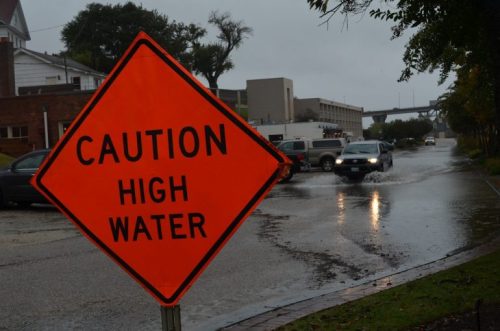
(WYDaily/File photo)
HAMPTON ROADS – The Hampton Roads Planning District Commission is asking James City County residents to complete a survey as it updates the region’s hazard mitigation plan, a document required every five years for communities to remain eligible for certain FEMA funding.
The survey, released Wednesday, asks residents about natural and human-caused hazards they have experienced during the past five years, including flooding – as seen earlier this week in Norfolk – severe storms, hazardous materials incidents and infrastructure failures. Responses will help shape mitigation strategies included in the updated regional plan.
According to the 2022 hazard mitigation plan, its goals include reducing future damage and economic losses as a result of natural hazards, increasing recovery and redevelopment speed both pre- and post-disaster, and coordinating existing mitigation efforts.
“Updating the plan also lets us reassess the hazards facing the region based on more recent events and data, incorporate new growth and development patterns, and make sure our mitigation strategies still reflect the current needs and vulnerabilities,” John Sadler III, HRPDC’s regional emergency management administrator said.
He added that hazard mitigation plans help identify a region’s most frequent natural hazards, better preparing communities for emergencies. A FEMA-approved plan also makes localities eligible for certain disaster mitigation and recovery programs.
It also allows jurisdictions to receive non-emergency disaster relief, such as funding for permanent rebuilding and recovery work.
“The survey responses will be used to directly inform the development of the plan, helping guide the hazards and mitigation strategies included in the final document,” Sadler said. He added that an updated plan can have benefits for residents beyond federal funding in times of disaster.
“A strong hazard mitigation plan can also help localities earn credit under FEMA’s Community Rating System (CRS), a voluntary program tied to the National Flood Insurance Program,” Sadler said. “Communities that do a thorough job of mitigation planning can qualify for a better CRS class rating, and better classes translate directly into lower flood insurance premiums for residents and property owners.”
The HRPDC expects to finish collecting responses by the end of October.

