


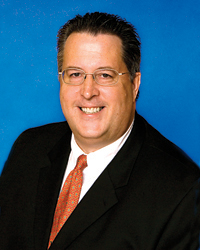
Supervisor Jim Kennedy (Stonehouse) spoke out at a Tuesday meeting about James City County’s financial situation, saying a proposal to raise taxes is “not being taken lightly” and the county government has already shouldered many cuts in recent years.
“We don’t know what else gives,” he said of cuts to spending and services in the years since the recession began. He said the county has reduced taxes, eliminated stormwater taxes, cut the vehicle decal fee and let county jobs go unfilled.
His remarks came after a trio of citizens used the first public comment period at Tuesday’s sparsely attended board of supervisors meeting to criticize a proposal first discussed at Saturday’s budget work session that calls for taxes to be raised to meet needs identified by County Administrator Bryan Hill.
Kennedy, the only supervisor to speak to the budget situation at Tuesday’s meeting, said he has never voted to raise taxes in his years on the board and the fact he is considering doing so speaks to the seriousness of the county’s fiscal situation.
He said the problem stems from real estate assessments, which are lower than they were prior to the recession. Those assessed values determine how much money the county collects in real estate taxes, which is its primary generator of revenue.
“We’ve done a heck of a lot more with a lot less,” he said, pointing to the 2010 upgrading of the county’s bond rating to AAA — the highest available — as evidence of the county’s fiscal responsibility during the recession.
The supervisors instructed Hill on Saturday to advertise a potential tax rate increase of 8.2 cents per $100 of assessed value, which the administrator said would restore the county’s tax revenues to what they were in 2009 while addressing what he believes to be the most pressing problems facing the county this budget cycle.
The proposed new areas of spending include shifting additional funding to the county’s cash reserves, buying new school buses, increasing spending on school maintenance, increasing spending on maintenance of county property and allocating more dollars to stormwater problems.
The new rate would add about $240 per year to the tax bill of the owner of a $300,000 home. The rate has not been raised since 1996, and it has been cut several times since the start of the recession.
Kennedy said Tuesday the advertised rate is “merely a starting point” and that he anticipates changes before a budget is passed for the upcoming fiscal year, which runs from July 1 through June 2015. He instructed Hill to create an additional budget, along with his proposed budget, that keeps tax rates stable — a move that would require cuts to county spending.
The three citizens who spoke to the budget at Tuesday’s meeting all opposed a tax rate increase.
Petra Nadal said citizens have had to make adjustments in their private lives, so the county should do the same.
“Our local government is loaded up with special interest groups guiding our leadership for the last 20 years,” she said, pointing to the county’s Greenspace and Purchase of Development Rights programs as areas where the county has spent money wastefully.
Joe Swanenburg agreed with Nadal’s assessment of the two programs, calling them the “the emotionally charged environmental green monster.” The two programs offer compensation to county citizens who agree to preserve their land. More than $24 million has been spent on the two programs since their inception.
He said those programs cause property to lose their potential for generating tax revenue and the money spent to get them into the programs costs more tax dollars.
“The green monster has done nothing to increase the revenues of James City County, but it has everything to do with the unabashed drunken sailor type of spending with our tax dollars,” he said.
Kennedy fired back later in the meeting that those programs were “overwhelmingly approved” by voter referendums in 2005 and new tax dollars have not been spent on them since 2008. That referendum was supported by 76 percent of voters.
Swanenburg also identified as problematic one of Hill’s priorities to spend additional money to try to get ahead of looming stormwater regulations from the state and federal governments. Those regulations require the county to cut the amount of pollutants in runoff from precipitation, but specific targets have not yet been identified.
“We don’t even know what they are or what will be required of us, but we are proposing to spend millions of dollars based on guesses,” he said. “We are making stormwater policy based on hopes and ifs.”
Chris Henderson also brought up the stormwater issue, saying the county is in better shape than most localities in Virginia when it comes to stormwater management. He said a rejected 2011 referendum over whether to borrow money to pay for stormwater projects shows how the county feels about the issue — 64 percent of voters opposed it.
“I’m stunned by the lack of critical thinking and basic problem solving by this board,” Henderson said.
Tuesday’s meeting marked the first public comment period following Saturday’s budget work session, where the proposed tax rate increase was first publicly discussed.
Hill will present his proposed budget for the upcoming fiscal year next month. Any tax increase would go into effect at the start of that fiscal year. The supervisors will hold a public hearing on it in April, prior to a scheduled adoption in May.
Related Coverage:
