


RICHMOND — The northern diamondback terrapin is one of Virginia’s species in greatest need of protection, conservation groups say. But a bill that’s working through the state legislature to reduce the number of the terrapins that drown in Chesapeake Bay crab pots met pushback this week from fishermen who say it could impede their trade.
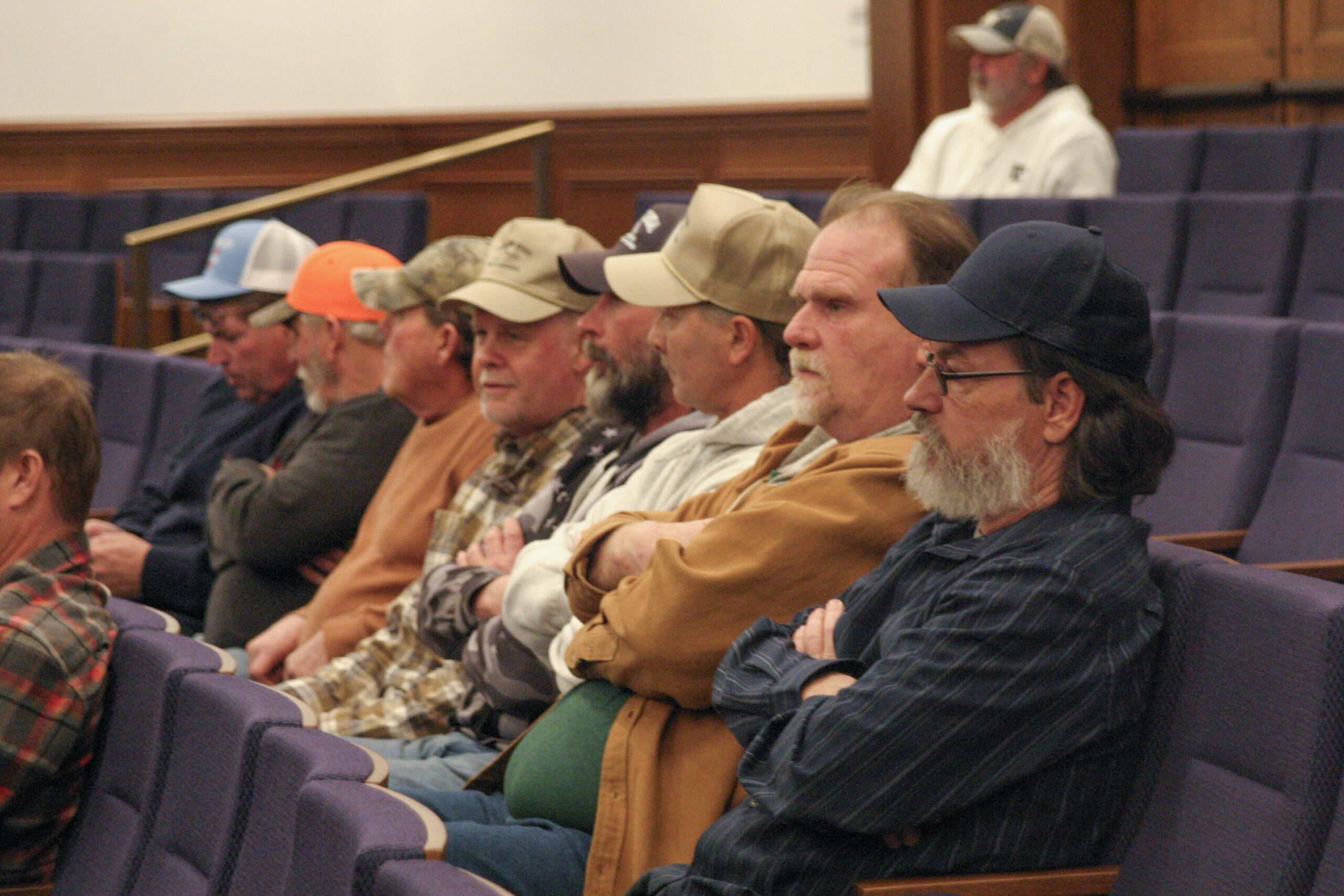
Dozens of Virginia watermen traveled to Richmond Monday to voice their concerns about House Bill 1013, which would have required bycatch reduction devices on crab pots in designated areas of the Bay. The devices are meant to prevent the terrapin from getting inside while still allowing crabs to enter the pots.
“They’re not targeted by crabbers by any means. They just frequently get trapped in crab pots and cannot escape. They will drown in about 50 minutes,” bill sponsor Del. Kathy Tran, D-Fairfax, said.
Bycatch devices — plastic borders on the opening of crab pots to make them smaller — preventing the turtles from entering the pots. However, the watermen said it also blocks larger crabs from getting into the pots.
Some bill opponents stated that pots with these devices see as much as a 50% cut to their catch. Commercial watermen argued the bill was unnecessary since they check their pots every day, which helps reduce the number of terrapins that get trapped in their pots, unlike recreational pots that are often left in the water for days.
Being forced to add bycatch devices could ultimately impact their bottom line, they said.
“With this small volume of product, high prices will come to it,” said J.C. Hudgins, President of the Virginia Waterman Association. “It will eventually cause these regional seafood dealers to go elsewhere.”
Diamondback terrapins inhabit the Atlantic and Gulf coasts and have experienced a 75% population drop over the last 50 years, according to the Center for Biological Diversity. The center petitioned the Virginia Marine Resources Commission in 2024 to create regulations to protect the terrapins from getting caught in the crab pots. There have also been multiple, unsuccessful attempts to place the reptile on the federal endangered or threatened species lists.
Del. Rob Bloxom, R-Accomack, said the statistics aren’t reliable because it has been decades since a formal study has been done about the diamondback terrapins in the Chesapeake Bay region. He said he believes their population decline is due to factors beyond just crab pot drownings.
The legislation was amended on Monday in the House Agriculture, Chesapeake and Natural Resources Committee to only apply to recreational pots.
The areas where the recreational pots are frequently used are closer to shore, where the terrapins go to lay their eggs. The bill also requires the Marine Resources Commission and Virginia Institute of Marine Science to spend the next two years studying locations in the Bay where the terrapins are most threatened to potentially apply the restriction to commercial pots in those areas, too.
“This isn’t a stagnant picture. It’s not like we’re in one spot all year long,” said Robert Whitman, a commercial fisherman speaking against the bill. “If we had these management areas we might move into it for two weeks and then come out we have to put an excluder on and take it back off. The volume of work and money that would entail is just unfathomable.”
Bloxom argued that the language of the bill suggests that in two years once the study by the two agencies are completed, the restrictions to commercial crab pots will be all but certain to be implemented.
“What we’re looking at is a path forward to reduce mortality in recreational fisheries,” said Chris Moore, Director of the Chesapeake Bay Foundation. “Then we can look at other mortalities with all the experts in the room.”
Tran agreed to continue to work on the language of the bill to make its study portion more open ended, with a focus on the protection areas and finding ways to better protect the terrapins. The bill will then be heard before the full House Agriculture committee.
Virginia Mercury is part of States Newsroom, a nonprofit news network supported by grants and a coalition of donors as a 501c(3) public charity. Virginia Mercury maintains editorial independence. Contact Editor Samantha Willis for questions: [email protected].

