


One thing Williamsburg restaurateurs don’t want on the city’s menu is a proposed tourism tax hike they say will kill business.
Dozens of city restaurateurs and chefs as well as government officials, hoteliers, and members of the public turned out to talk about a proposed tax hike at a town hall meeting Thursday morning.
Restaurant owners were largely upset with the speed and cost of the city’s proposed tourism development fund. The proposed fund would impose a historic tax regimen on admissions, meals, and lodging taxes to create a “generational investment” in “tourism infrastructure.”
The fund was first discussed at a council retreat in January. In April, the city claimed the proposal was in an “ideas phase,” but two months later the fund appeared on City Council’s agenda.
Councilors held off on a vote, citing a need for public comment. Thursday proved to be one such forum as business owners offered their opinion on the tourism tax.
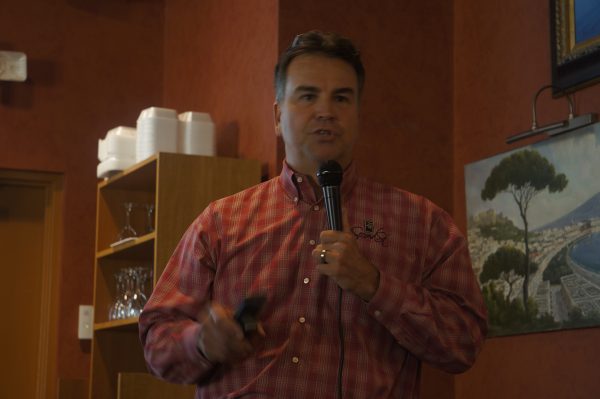
Mickey Chohany, owner of the Second Street Bistro, voiced concerns on behalf of the the Williamsburg Area Restaurant Association, calling the proposed tourism development fund the “too damned fast” tax.
“It’s not the right decision to move forward on this,” Chohany said. “It’s been moving way faster than anybody would like it to, and that’s a reoccurring thing we’ve all heard.”
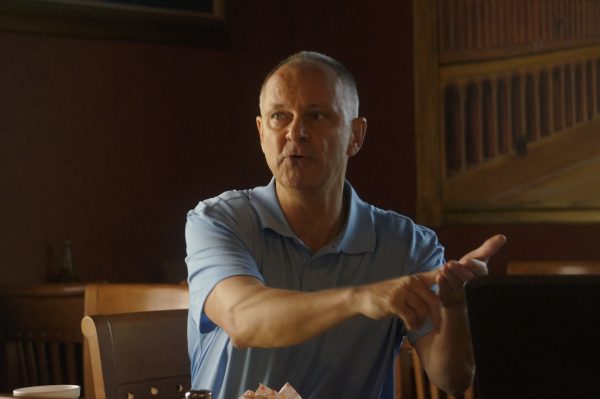
Noreen Graziano, president of the Williamsburg Area Restaurant Association, said she was concerned the thoughts of restaurateurs have been largely ignored by city officials.
“We submitted meal tax questions,” Graziano said about a recent town hall meeting hosted by the city. “And, none of them were answered. No meal tax question was addressed. We felt like they did not want to answer those questions.”
Graziano said the city receives nearly $7 million from meal taxes, and city restaurants are already hurting from lower visitation.
“It’s going to cost us,” she said. “The first thing that’s going to happen is decreased sales and less tips. Customers are going to take it from is the tip money.”
The City of Williamsburg’s budget projections show a budgeted decrease of $62,994 for meal tax collection in Fiscal Year 2017 compared to the previous year. The decrease is in anticipation of restaurants’ revenues falling by more than a million dollars in Fiscal Year 2017.
“Why would we want to increase our tax when we’re already more burdened with lowering sales,” Chohany said. “I can tell you, my sales are lower this year than last year.”
Chohany presented data Thursday, which indicated the proposed tax hike would make Williamsburg among the most heavily taxed tourism destinations in the country, beating out New York City, Virginia Beach, Boston and Chicago.
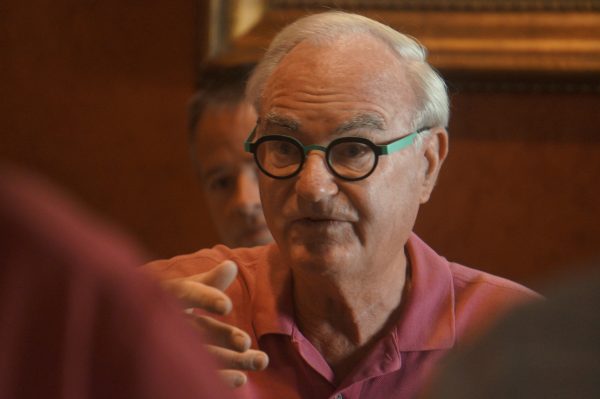
Williamsburg resident David Kranbuehl, who is a professor emeritus in William & Mary’s science department, said he felt city officials had been dishonest with the public about the tax.
“I feel really really mislead,” Kranbuehl said. “I could use the word swindled.”
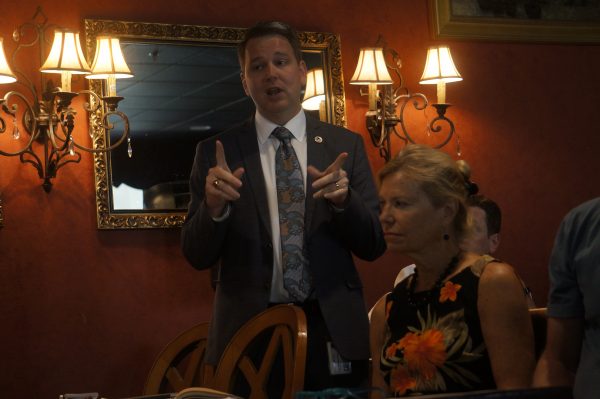
While Chohany came to the meeting armed with data, the information did not go undisputed. Assistant City Manager Andrew Trivette took issue with some of the cited figures, calling them “inaccurate.”
“I’m not saying you give this inaccurate information on purpose at all,” Trivette told Chohany, before indicating other states give municipalities more taxing authority. “It is not our intent to force something on the community that you don’t want. The intent is to fix a problem that we all recognize we have.”
Even while Williamsburg is looking at new options to bring visitors to town, hotels and motels in city limits pay less than restaurants in combined taxes, according to the city budget. The current proposed tourism tax would increase the tax burden on restaurants more than on hotels.
“The city has voiced that they want a generational change,” Chohany said. “I’m telling you, we have paid for generations for the change. To add extra burden on us makes it unfair.”

