


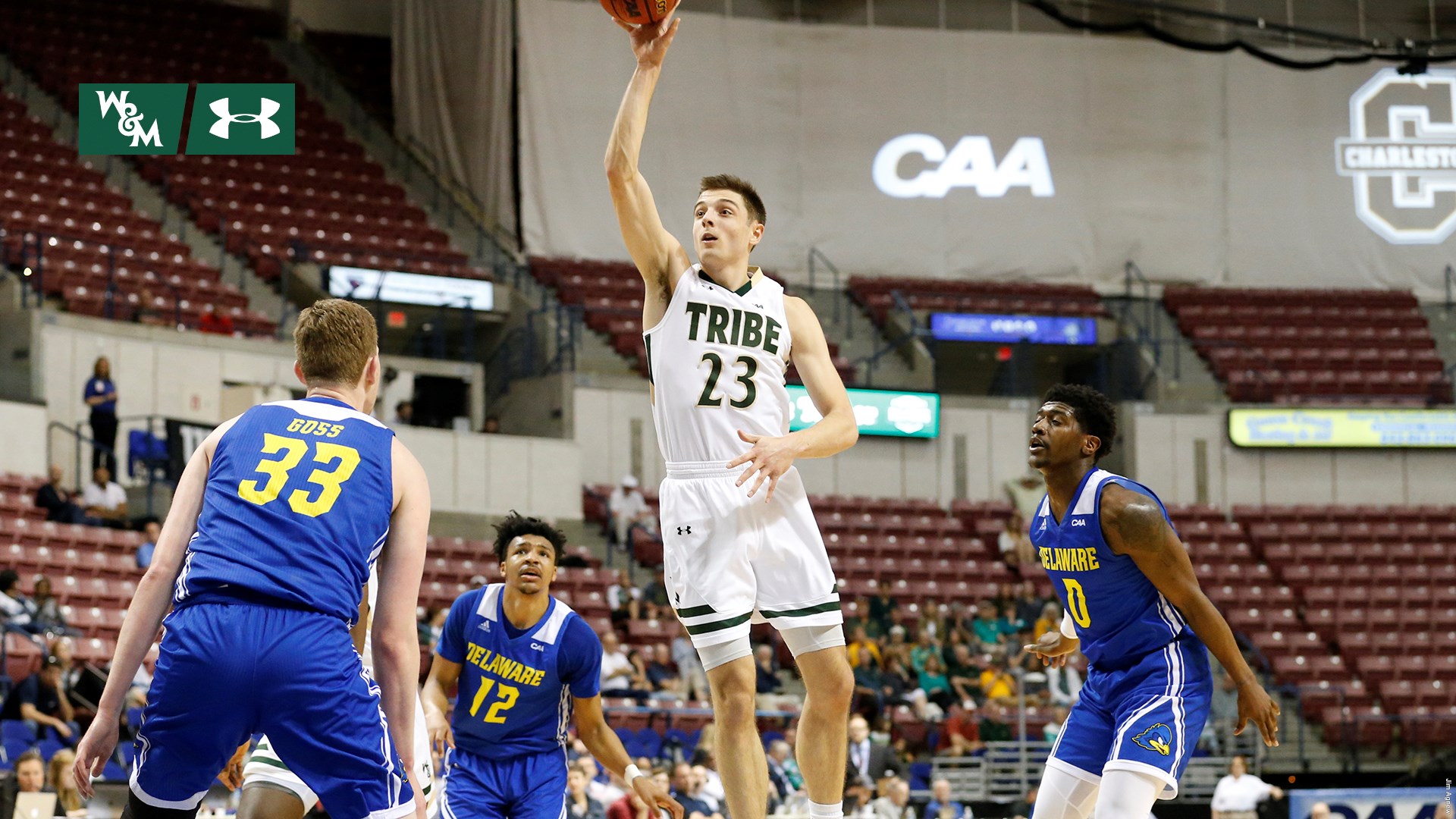
Across the nation, colleges have become known not only for their academics, but for their athletics.
While the heart of most institutions began as academic enrichment, many have started focusing large amounts of their annual budgets on student athletes.
Across the nation, Division I public universities and colleges are $6 billion industry, according to a 2010 study from the Data Cost Project.
And Hampton Roads colleges are no exception.
William & Mary
At the William & Mary, the budget for 2019 includes $215.8 million for academic undergraduate and graduate programs and $28.1 million for athletics, according to data from Suzanne Clavet, William & Mary spokeswoman.
The academic budgets are the sum of instruction, state supported research, public service, academic support, student services, institutional support and “plant operations.”
Of the athletic operating costs, $10.4 million were applied to athletic scholarships and $2.8 million was for the operation of Kaplan Arena.
Those funds, Clavet said, are included in the overall Auxiliary Services budget.
The Data Cost study showed that part of the rising costs were typically the coaching contracts.
According to data from The Chronicle, a journal of higher education, the average professor at William & Mary earns $133, 921 in the 2017-2018 academic year. However, a head coach, like former men’s basketball coach Tony Shaver, made approximately between $260,000 to $320,000 annually.
Granted, those are two very different roles with different qualifications and while there are 687 full-time faculty members in undergraduate, graduate and professional programs, there is only one head coach.
But at a Division III school, it’s a different story.
Christopher Newport University
Christopher Newport University in Newport News is a Division III school in terms of academics and athletics and has a total of 4,867 students enrolled.
For perspective, the College of William and Mary has 6,192 students enrolled in the university, according to the U.S. Department of Education Equity in Athletics Data Analysis.
The main differences between a Division I school and a Division III school is athletic scholarships. Since CNU is a D3 school it does not offer athletic scholarships — the university does offer need-based or academic scholarships to students who qualify.
In 2017-2018 school year, the university awarded $2,044,325 in need-based scholarships to students.
Those who participated in the Honors program or President’s Leadership Program received academic scholarships which range from $1,000 to $10,000 per year and an additional monetary amount for study abroad programs.
Jim Hanchett, spokesman for the university, said about 1,100 students get academic scholarships each year. He pointed out the students cannot receive both scholarships, merely one or the other.
The university’s anticipated 2019 fiscal year operating budget is estimated at $169.4 million.
This year, CNU projected $10,666,284 on athletic programs and $78,036,063 on academic programs. See a full breakdown of the athletic programs 2017-2018 year here.
Hanchett said the money spent on athletic programs, which includes intramural sports and co-ed programs could change if a team does well and progresses through the post season, which means the numbers in the current budget are subject to change.
“As President (Paul) Trible always says, Christopher Newport would like to offer more scholarships to more students – but this is a very young institution with a small but growing endowment,” Hanchett wrote in an email. “Universities in Virginia that have been around for hundreds of years and have generations of donors of great wealth have the means to offer more scholarships.
“We’re getting there but aren’t there yet. And CNU takes every possible step to make sure anyone who qualifies for admission and desires to attend can afford to do so,” Hanchett said.

