


The City of Williamsburg could soon be turning your T-bone steak into a cash cow.
Williamsburg is currently in talks about the possibility of increasing taxes on dining out in the city. According to a City Manager’s report presented to City Council April 10, increasing meal and room taxes are two of three taxes under consideration to create a larger “tourism development fund” for the city.
“Meal and room taxes are pass-through charges often paid by visitors that will directly benefit from the tourism development fund,” City spokeswoman Lee Ann Hartmann said.
She added that while nothing is set in stone, the city looks forward to working with the local community to devise any tax plan.
At the stage it’s in now, the plan would increase taxes on meals and hotel rooms from five to seven percent, according to the report. With millions of breakfasts, lunches and suppers served in Williamsburg, the two percent meal tax increase would add up to an estimated $4,197,000, the report said.
According to a presentation by City Manager Marvin Collins III, the goal for the additional funds would be to build infrastructure to “attract” tourists who have previously visited Williamsburg, but are looking for something new to do.
“If there’s a very large, high impact project that the community wants to have happen, the funds could be used for that,” Collins said.
The graph above shows the cost of a steak dinner at four restaurants within city limits before and after the discussed tax increase.
While the City of Williamsburg continues talks, area business leaders are stuck in a holding pattern, waiting for the city to release more information about its potential to raise taxes on their customers.
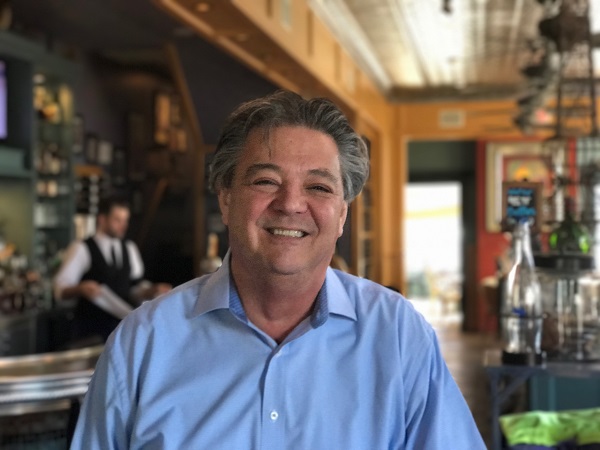
For Adam Steely, Williamsburg Economic Development Authority Chairman and co-owner of the Blue Talon Bistro, the true test will be if the tax increase benefits area businesses more than it costs them.
“To imagine that you’re going to pass a $5 million a year tax increase and that’s not going to have an impact on the businesses that are charged with collecting those taxes is ridiculous,” Steely said. “The idea’s okay, I don’t love it, but I understand it.”
The meal tax increase would result in the cost of food going up in Williamsburg restaurants, for example the cost of a steak dinner at the Blue Talon Bistro would increase by 60 cents — from $33.24 to $33.84.
The city is wagering that those passing through — like Susan Neimy, a nurse from Charleston, SC — the 60-cent difference would barely make a dent.
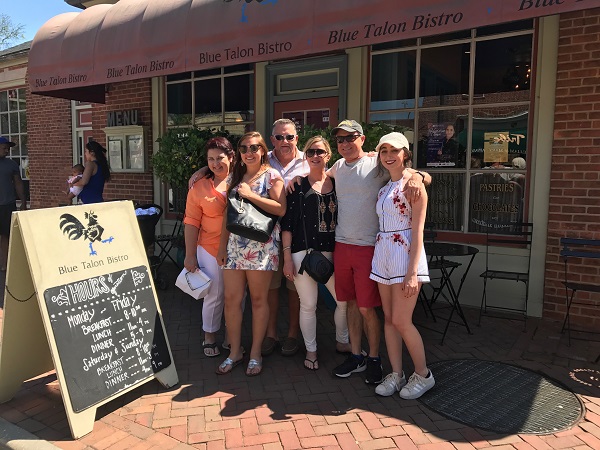
After dining at Blue Talon Bistro while on a visit to Williamsburg last week, Neimy said she would take her family and friends to dine in the city, tax increase or not.
“We live in a very touristy city, so we’re used to having to pay the extra tax,” Neimy said of Charleston. “It’s all good for everybody.”
Neimy’s husband Russ, an IT Specialist, said he wouldn’t even notice the tax.
One second possible tax increase would be to hotel room stays. The rooms tax increase would only bring in $285,000 more than the current tax, because the current rate includes a $2 surcharge which goes directly to Williamsburg Area Destination Marketing Committee as part of a deal made more than a decade ago with the General Assembly and James City and York counties.
Stays at hotels that cost less than $100 nightly will see a slight reduction in their total cost, while all other hotels will see slight increases in their tax burden if the changes came about, according to the report.
Doug Pons, City Councilor and President of the Williamsburg Hotel and Motel Association, said he understands why the city is looking at taxing tourists who already visit to the Historic Triangle, because he sees the ultimate goal as attracting those who don’t.
“We’ve seen research that 52 percent of the people that see our ads have already decided they’re not coming to Williamsburg,” Pons said. “Because they’ve been there and done that or it’s old and boring. How do we overcome that but by offering something new that we don’t have?”
Pons said it has been a continuing challenge of the city to convince new tourists to come here. The city hasn’t done as well as other “destinations” in making investments in tourism infrastructure or investing in public property to help lure businesses to the Northeast Triangle, he added.
“I’ve always seen there was a need for additional funds, particularly as the world got smaller with the advent of the internet,” Pons said. “It was hard to be competitive.”
The time is now, Pons argues, for the city to increase taxes and invest in its financial future.
“If we’re going to be bold and try to create these new opportunities to invite people back to Williamsburg then that’s what we need to do,” Pons said.
Related coverage:
City in ‘ideas phase’ to create admission ticket tax on Colonial Williamsburg

