

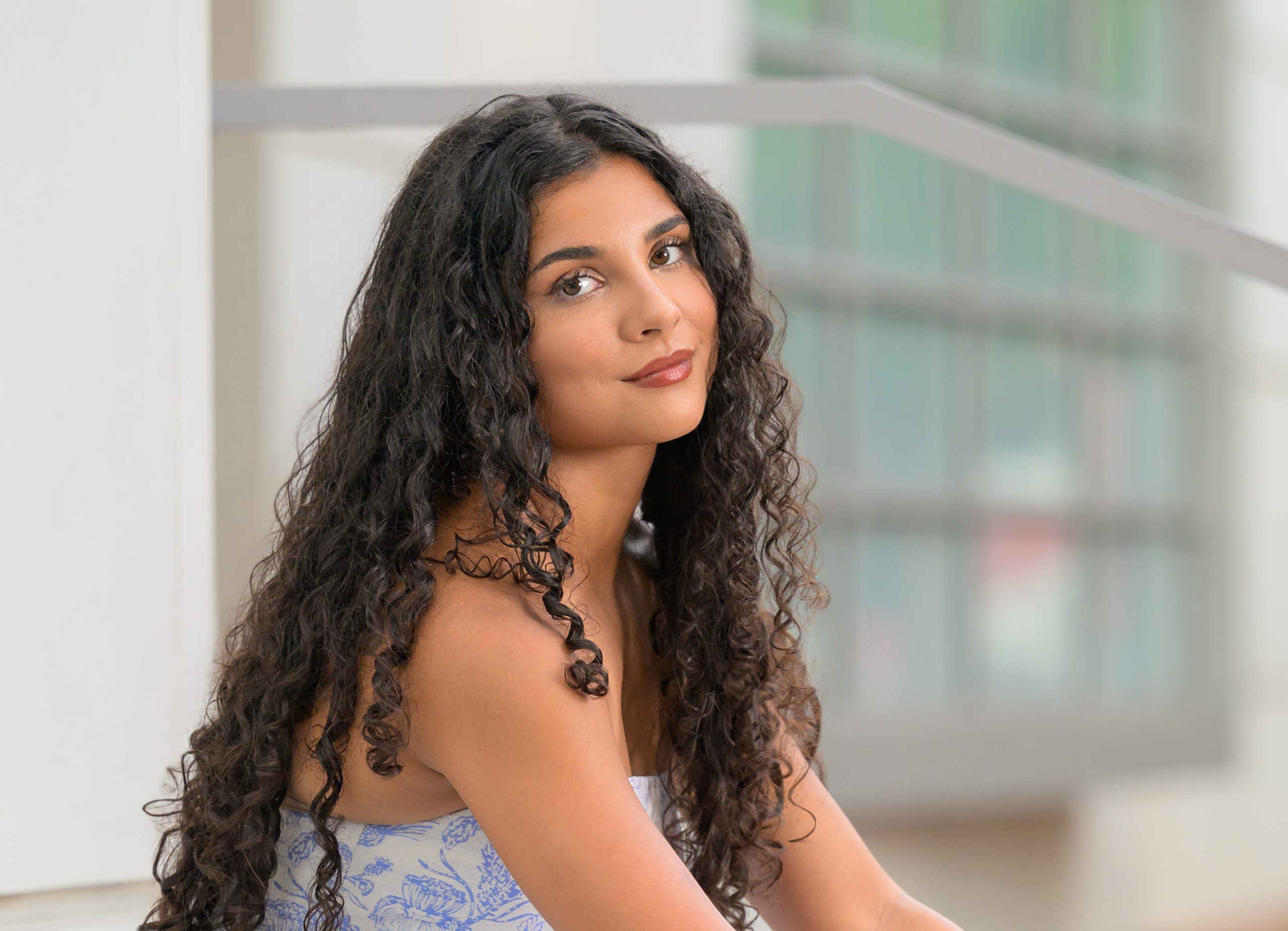
Editing a journal article for publication in the Oxford Journal of Student Scholarship (“Oxford Journal”) during a student’s summer break is not what every rising high school senior does, but at Providence Classical School (“PCS”), one student, Seva Ananthram, voluntarily made it a priority. Seva took her thesis topic written during the last half of her junior year and continued revisions under the editorial guidance of the Oxford Journal staff with the finished piece found here: https://www.oxfordjss.org/july-2026-vol-9-issue-2/may-the-odds-be-ever-in-your-favor%3A-how-the-involvement-of-the-united-states-of-america-and-nato-negatively-impacted-the-2011-libyan-civil-war
When asked what compelled her to select this topic and then pursue publication with a nationally recognized scholarly journal, Seva responded, “When the time came to pick my topic for my junior thesis project, I realized I wanted to study something to do with international relations as it piqued my interest during a lesson in class and recent conversations I had been around, but it was never something I had pursued or studied before. I chose to study the 2011 Libyan Civil War specifically, because it was a topic I knew relatively little about going into the project and it stemmed off my broader topic, regime changes.
After spending a semester working on my thesis, I didn’t want to just drop it and never do anything with it again. It was my parents’ suggestion that I try to get my work published and at the time, it seemed like a far-fetched idea. But with the recommendation of the Oxford Journal of Student Scholarship from a family friend, I submitted my work. While getting my work published wasn’t a simple task, working with the editors was a pleasant process because they were willing to answer my questions and quickly responded to any communication despite the time difference.”
This is a hallmark of a PCS student, one who is continuously engaged in learning and pursues truth through rigorous study.
The thesis process is shepherded by PCS Rhetoric Teacher Laura Smole who undertakes a mentorship role in guiding the students from start to finish. Having worked closely with the students since 9th grade on reading and synthesizing meaningful and complex texts, critically analyzing the works’ themes and logic, and discussing and writing cogent assessments, she possesses keen insights into the students and how to continue sharpening their skills. She prepares them for the oral delivery, so that with much practice and feedback, they are engaging an audience winsomely. Mrs. Smole patiently threads together the five canons of rhetoric: invention, arrangement, style, memory, and delivery with each student. Junior students start with a topic of keen personal interest on which they will take a persuasive position and work through iterations of drafts. They then present orally this 10-page paper to Mrs. Smole and their classmates, defending their position.
This junior thesis prepares the student for the senior thesis which is a year-long research, writing, and editing process of an expanded 20+ page paper. This thesis presentation is now in front of an audience of Providence Classical School board members, administration, teachers, classmates, and parents. Routinely, their audiences enjoy listening to their topics of practical relevance and the philosophical implications, often finding themselves intrigued by new insights brought forth by the high school senior students.
The students’ defense is comprised of a memorized 10-minute presentation of their thesis and then answering questions spontaneously from school board members. Every graduating student engages in this project, which equips them well for a college or career path.
Unique to classical Christian education, where students are taught to be critical and independent thinkers, the thesis development process begins well before high school. The Socratic method of questioning and articulating thoughtful responses is taught age-appropriately in the elementary school years by promoting active listening and discussions; it is bolstered with sound reasoning through the instruction of informal and formal logic in the middle school years; and it culminates in the regular exercise of Harkness Discussions in the high school years, with the final thesis presentation in the senior year. Our education provides robust academics, promotes high expectations in virtue, and permeates with grace and joy for the learner.
PCS’s mission is to provide a classical, Christ-centered education, equipping students with a thorough biblical world and life view, that captures their affections, and enables them to discern, articulate, and live truth. https://www.pcsvirginia.org/
The above represents paid content