


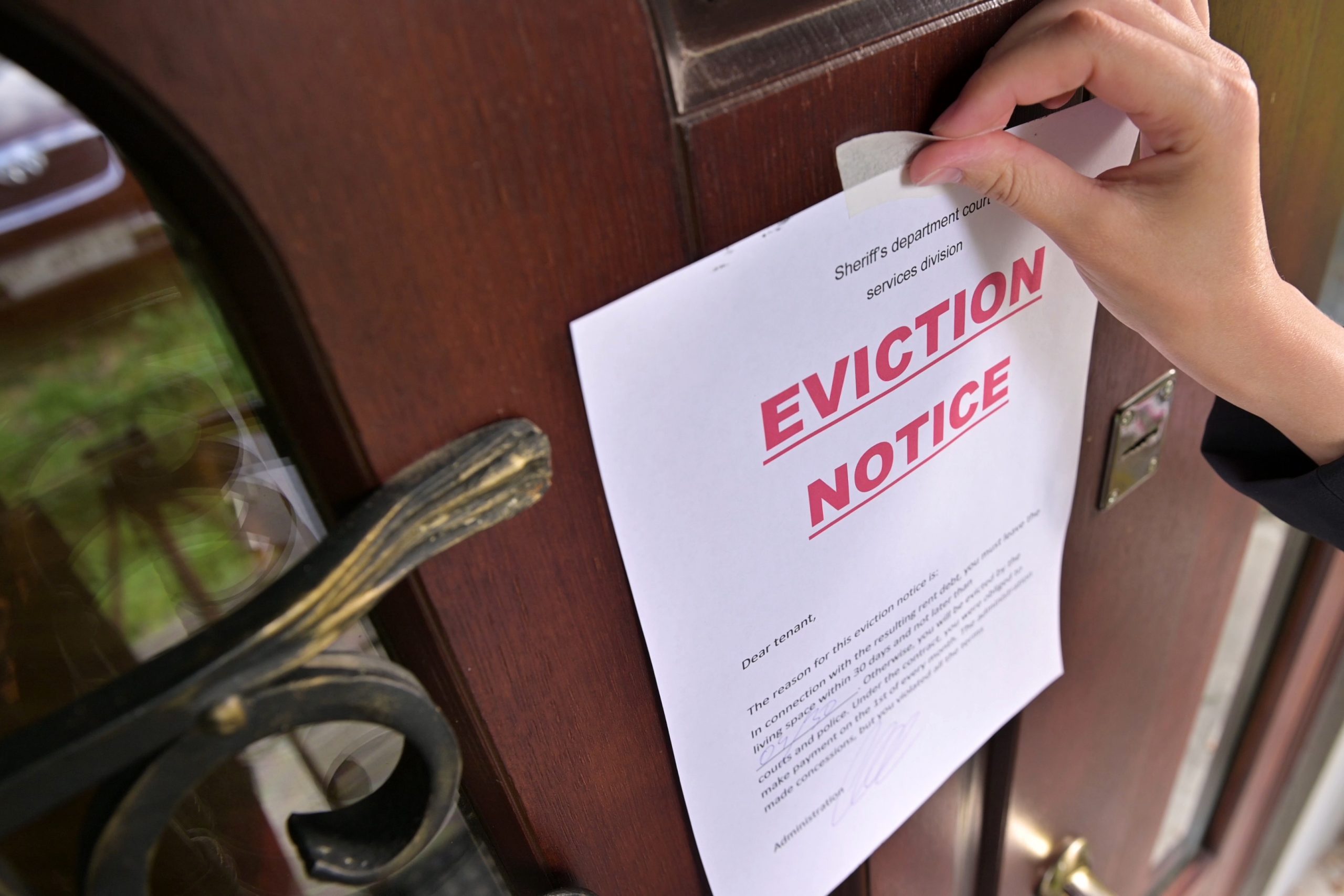
WASHINGTON — As the government shutdown continues into its fifth week, federal employees face upcoming bills – from utilities to mortgages. But a new bill in the U.S. Senate wants to blunt the financial impacts on strained feds. If passed, the Federal Employee Civil Relief Act would protect federal employees, contractors and their families from evictions, foreclosures, repossessions and other kinds of defaults during a shutdown.
The bill would also prevent negative impacts to credit scores, and keep workers current on bills and insurance premiums. Sen. Tim Kaine, D-VA and Sen. Mark Warner, D-VA, introduced the legislation.
Scott Robinson, a 20-year TSA employee and founder of Against Giants Labor Advocates, said the shutdown is already impacting employees, such as at TSA.
“The officers by and large are paycheck to paycheck employees, so you miss a single paycheck and dominoes start to topple,” he stressed. “And things can accelerate and become fairly bad and become fairly stressful for the officer fairly quickly.”
More than 140,000 people in the Commonwealth work for the federal government, according to the U.S. Office of Personnel Management. Major labor unions representing federal employees, such as the National Treasury Employees Union and American Federation of Government Employees, have endorsed the legislation.
Republicans and Democrats have dug in on their demands to end the shutdown. Democrats want to include extensions to health insurance subsidies under the Affordable Care Act, while Republicans want a continuing resolution to give more time to negotiate. Robinson said even when the government does reopen, federal employees will not be out of the financial woods.
“Even if funding were restored tomorrow, they would still need to wait the remainder of the pay period in order to be paid for the work that they’ve done,” he explained. “Even after funding is restored, it will have continued effects on the officers.”
During the shutdown, President Donald Trump has attempted to layoff more federal employees, rather than simply furlough them. Those moves have been stalled by federal court rulings.

