


RICHMOND — As the race for Virginia governor heats up, the role of the Commonwealth’s “right-to-work” law shows one big divide between the two candidates.
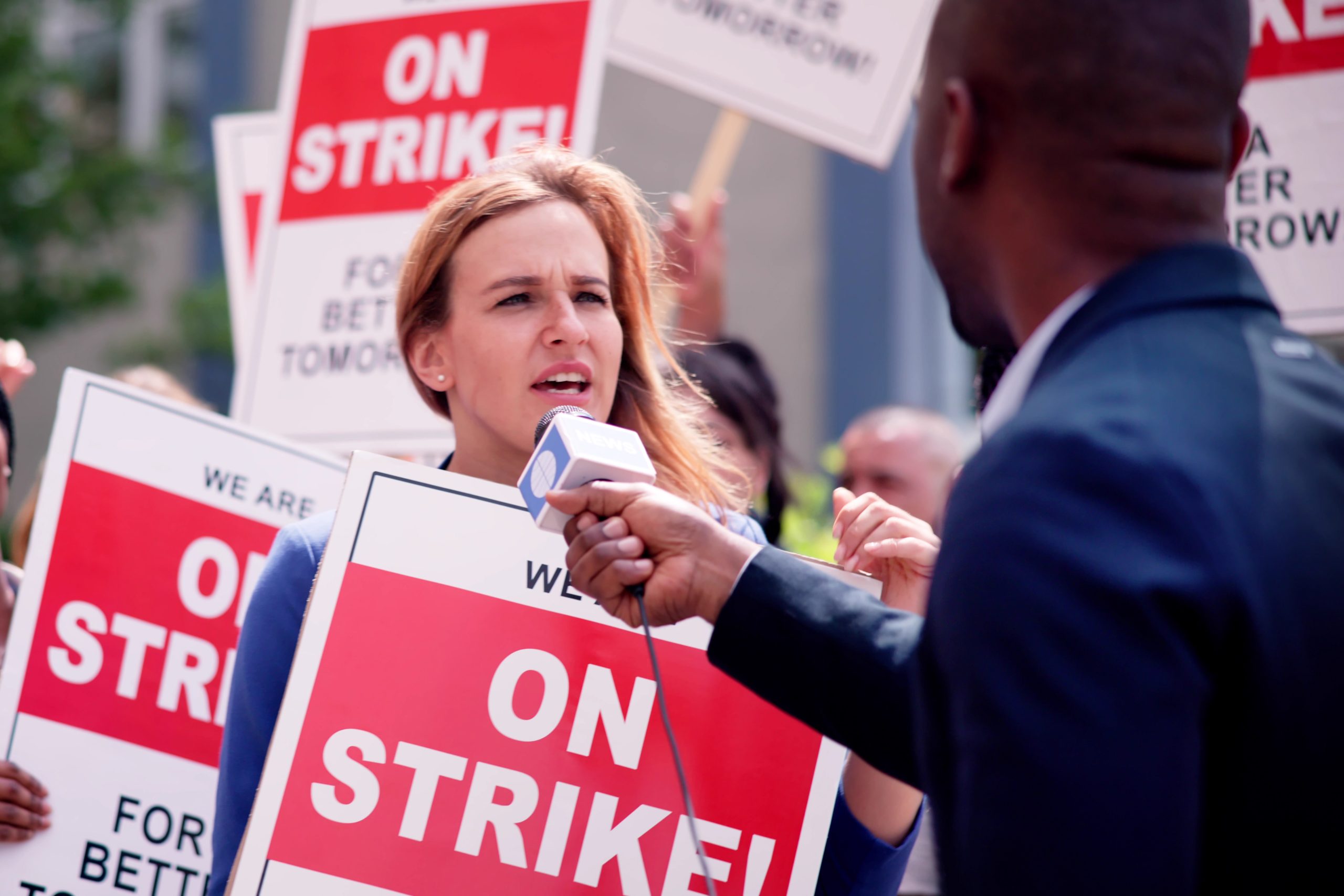
Lt. Gov. Winsome Earl-Sears has pledged to keep Virginia’s right-to-work law in place. It prohibits mandatory union membership in the workplace. Former Democratic Congresswoman Abigail Spanberger has called for reforms but not an outright repeal of the law, which allows each worker to decide whether to pay union dues and yet still retain the benefits of a union contract.
J. Miles Coleman, associate editor of Sabato’s Crystal Ball at the Center for Politics at the University of Virginia, said Earl-Sears is running to continue the policies of Gov. Glenn Youngkin.
“She’s his lieutenant governor. She’s kind of running to kind of continue the successes that they’ve had — or at least that they think they’ve had — for Virginia,” Coleman explained. “Preserving that right-to-work law kind of fits into that.”
Proponents of the laws said they give workers the freedom to choose union membership, while opponents contend they are mostly meant to weaken labor unions.
A Virginia Commonwealth University poll found 49% of Virginians approve of Youngkin’s record as governor. In the same poll, Spanberger led Earl-Sears by eight points, 49-37. Coleman noted the move by Spanberger to call for reform, rather than repeal, plays to both pro-labor and pro-business audiences.
“My advice to Spanberger at this point would be not to say anything too controversial, just keep your lead,” Coleman urged. “Be kind of ‘all things to all people,’ to the extent you can be. And I think you can kind of see that with the position she took on this.”
Currently, 27 states have right-to-work laws on the books. Just last year, Michigan became the first state in 60 years to repeal a right-to-work law.

