


 School cafeterias are not normally known for their cuisine, but an initiative in Williamsburg-James City County Schools has made several elementary school lunch rooms into boutique restaurants.
WJCC Child Nutrition Services and the Williamsburg Health Foundation’s Student Health Initiative Program have partnered in an effort to improve the quality of school lunches — and raise healthier kids.
The school lunch program is part of a larger active learning initiative spearheaded by SHIP that seeks to promote wellness in local children through healthy eating and physical activity.
SHIP Supervisor Dr. Amy Lazev said CNS and SHIP has a longstanding partnership, but decided to explore additional programs in light of increased federal regulation regarding nutrition requirements in school lunches. WJCC nutritionist Pam Dannon said new USDA limitations on sodium content forced schools nationwide to change their approaches to food service.
WJCC took a unique approach to that challenge. Last year, the CNS and SHIP hired professional chef Marie Homer to work with WJCC cafeteria staff and redevelop the district’s meal offerings.
Homer spent all of last year working with the staff at Clara Byrd Baker and Stonehouse elementary schools. This year, she rotated to James River and Rawls Byrd elementary schools.
With Dannon’s help, Homer developed new recipes for school menus. Recent additions include Jamaican jerk chicken bowl and zesty fajita chicken with tex-mex rice. She also trains cafeteria staff in food preparation and cooking techniques.
“You have the three ‘P’s’: production, preparation and presentation,” Homer said. “I like to add taste in there.”
That fourth element is essential, Lazev said, as the initiative tries to get kids excited about eating healthier foods, like fruits and vegetables, with which they might not be familiar.
“We’re trying to get past the traditional ‘kids food,’” she said. “We wanted to try new recipes that went beyond that and appealed to kids. It’s challenging, but that can be good.”
Part of that involves fresh ingredients. Dannon said the district previously used pre-made or prepared ingredients to make cafeteria meals. Since Homer’s hiring the district has tried to include more fresh ingredients. Instead of bagged lettuce and premade dressing for salads, WJCC opted for fresh lettuce and made-from-scratch dressings at its salad bars.
It also involves student tastes. To make sure students would enjoy the new food offerings, Homer said the schools organized panels, where students could sample the new recipes and rate their favorites.
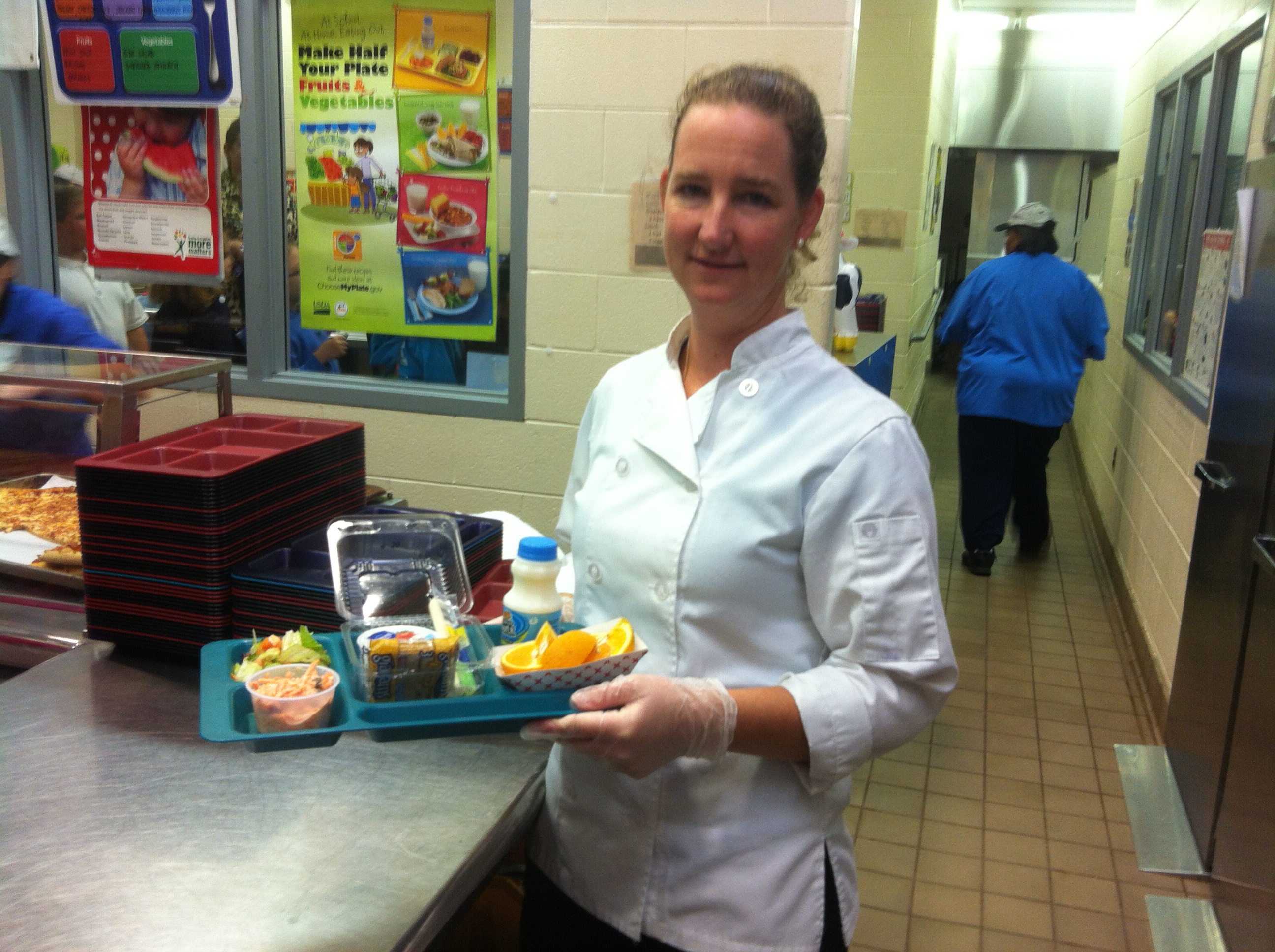
“I’d love for the school cafeteria to be a place where parents want to share lunch with their children,” Homer said. “I’d love to see teachers and principals have lunch here — it’s that good.”
The initiative began at the elementary level, but administrators plan on rotating Homer across schools, so staff at each building can learn from her expertise. Lazev said the decision to start at the elementary level was a purposeful one.
“Taste preferences start when we’re very young,” she said. “We want to start as early as possible.”
By introducing them to healthy eating habits at a young age, Lazev, Homer and Dannon said students would develop tastes for those foods and maintain healthier lifestyles as they grow older.
While the district hopes to develop healthy habits in its elementary students, the middle and high school levels are not being left behind. The new menus developed by Homer are also available at middle and high schools across the district on a four-week rotation.
The push for healthier lunches has not made the cafeteria menu unrecognizable. School lunch staples like pizza, hamburgers — even macaroni and cheese — are still on the menu, just with healthier recipes. Pizza crusts, hamburger buns and pastas are at least 51 percent whole grains.
“We’re not abandoning some of the kid-friendly foods,” Lazev said. “We’re widening the offerings, offering healthier and more nutritious options, not be limited to just pizza and chicken nuggets.”
So far, those widened options are popular with students and staff. In a survey last year, nearly half of WJCC parents at schools visited by Homer said lunches had improved over the course of the year.
Even with the positive reaction, Homer said she is still looking to improve the district’s food offerings. Her next goal is to include more exotic recipes on cafeteria menus.
“I love Indian food,” she said. “I’d really like to [offer] chicken tikka masala. I’m working on that recipe.”
