

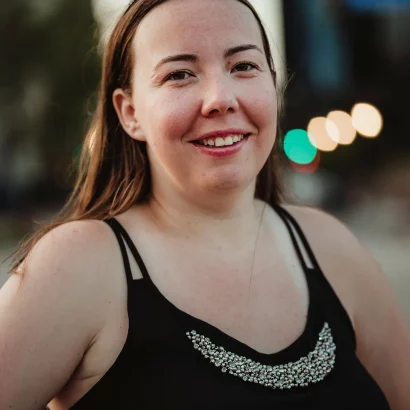

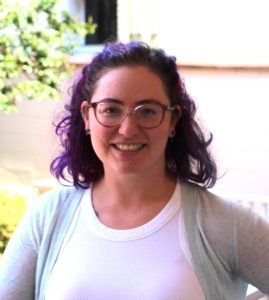
WILLIAMSBURG — Jennifer Joyce, a 2011 graduate of William & Mary, was just an 11-year-old girl when the Sept. 11 terrorist attacks happened.
With her own family ties to the New York area, Joyce felt a strong sense of connection to what had taken place in New York City, Washington and Pennsylvania.
“I remember getting home and my mom, who had grown up in New York City, was sitting on the couch. When I saw her face, sitting on the couch watching the TV, I turned around and saw the replay on the television and I just knew,” Joyce recalled.
Joyce’s mother struggled to get a hold of her mother and cousins for days following the attacks.
Entering William & Mary, Joyce always had it in her mind that she was going to teach history. After taking a public history class during her senior year, everything changed. She finally figured out that she wanted to become a documentary filmmaker.
She moved to New York shortly after graduating from William & Mary and earned her master’s degree from New York University. After a chance encounter, she was offered a job at the National September 11 Memorial & Museum in lower Manhattan.
“I was working for a documentary film company, and I was temping and looking for part-time work. The 9/11 Memorial had just opened up, the museum wasn’t there yet, it was just the memorial plaza, and I kind of fell into it. Because I happened to be in the right place at the right time, I was finishing up my degree at NYU as the museum was starting to open and they were starting to create the education program from scratch,” Joyce explains.
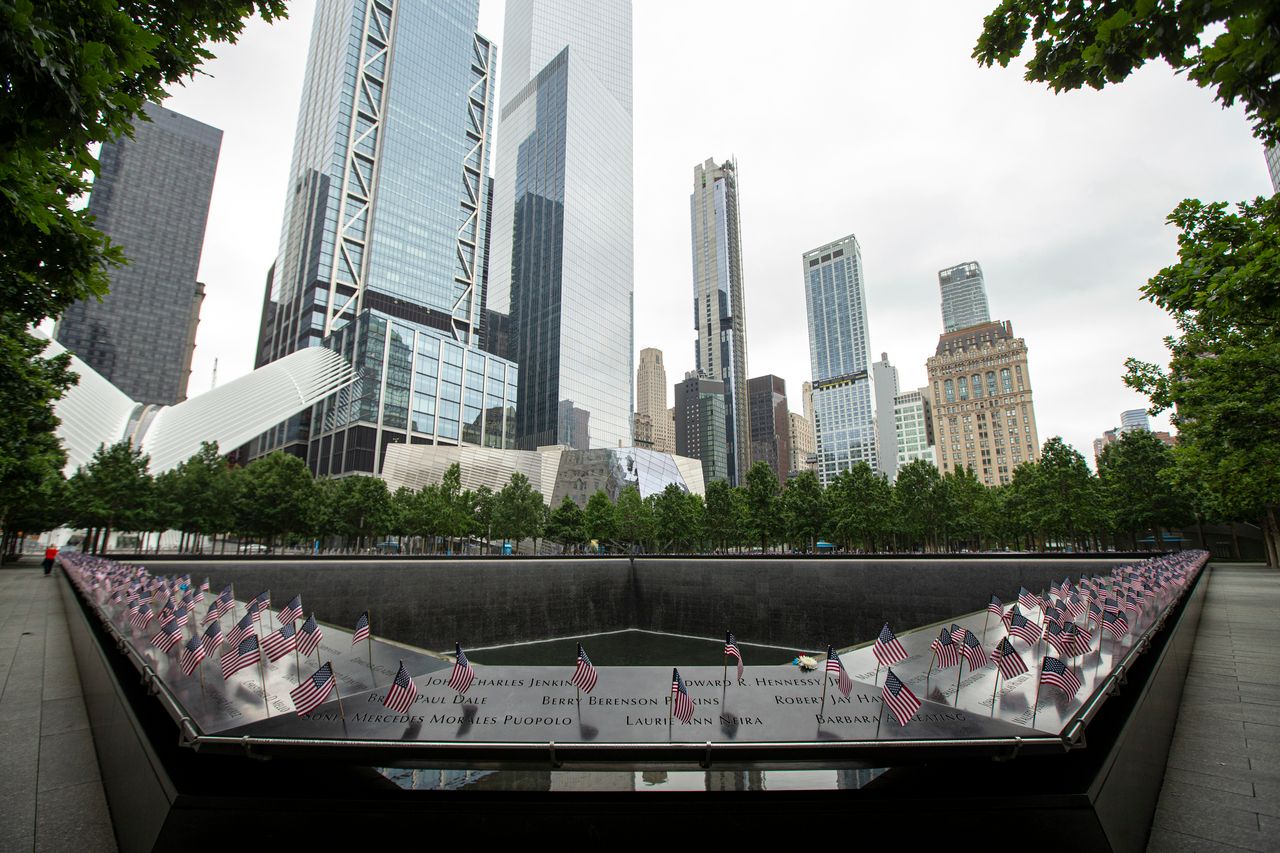
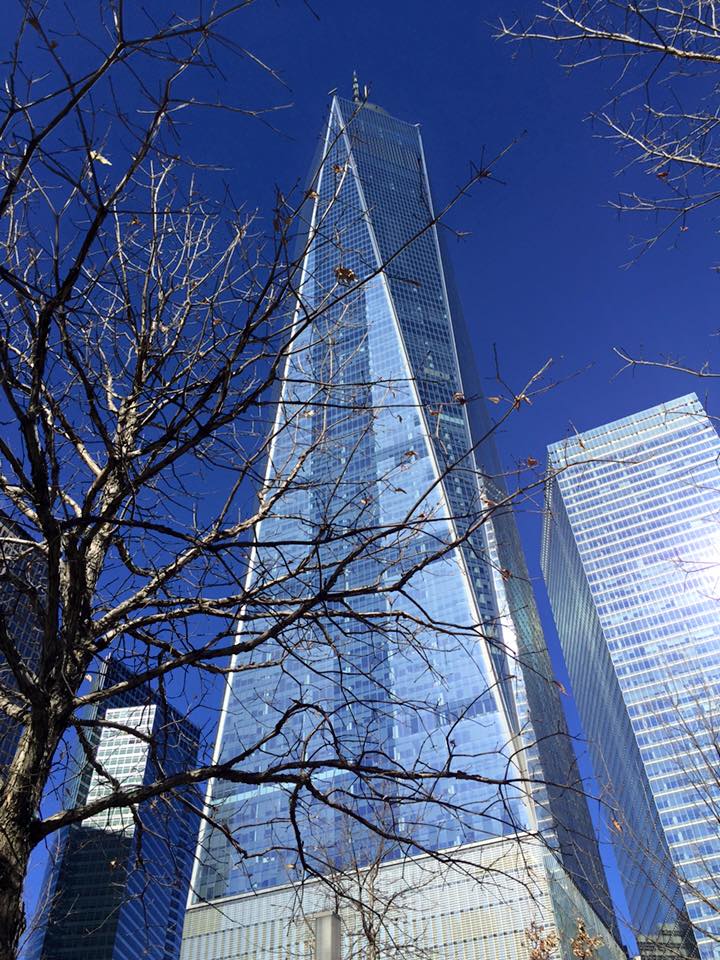
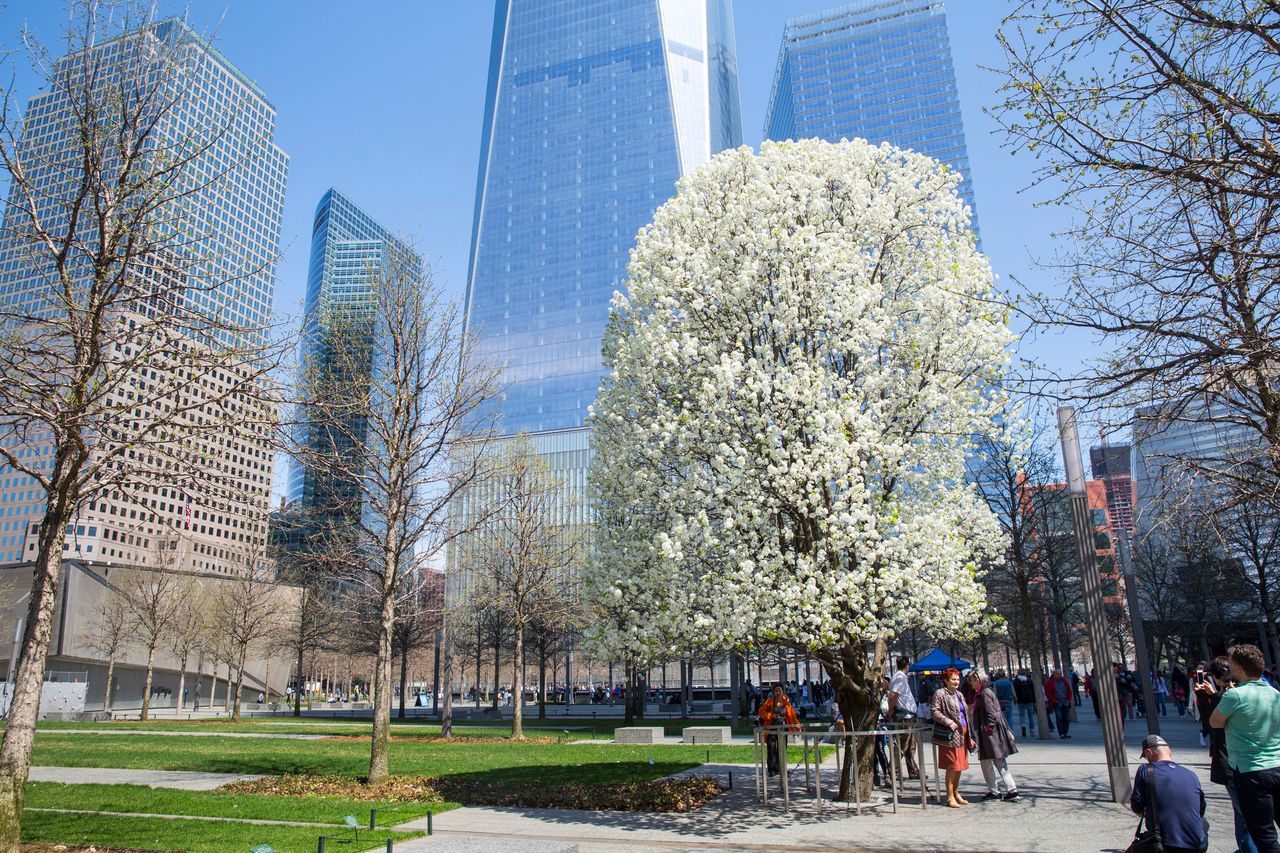
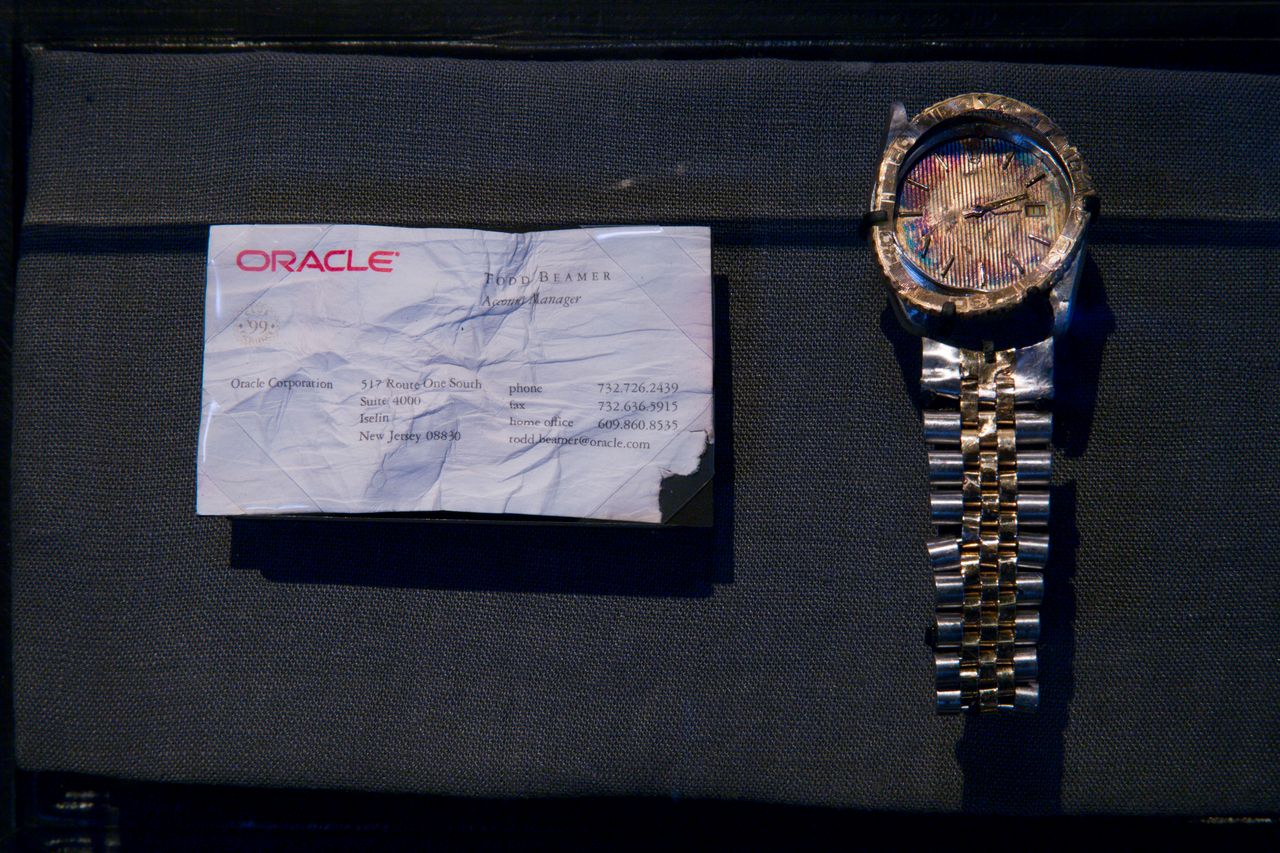
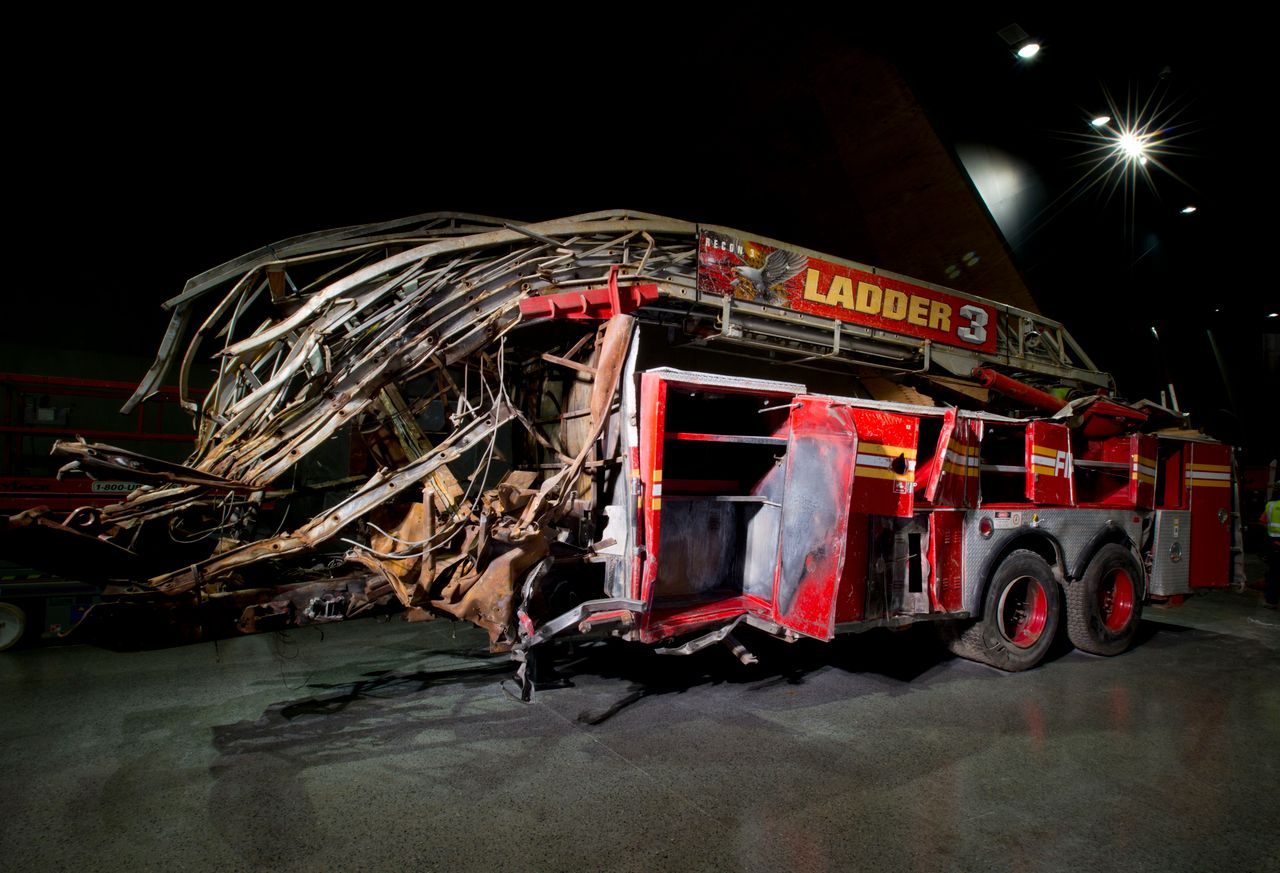
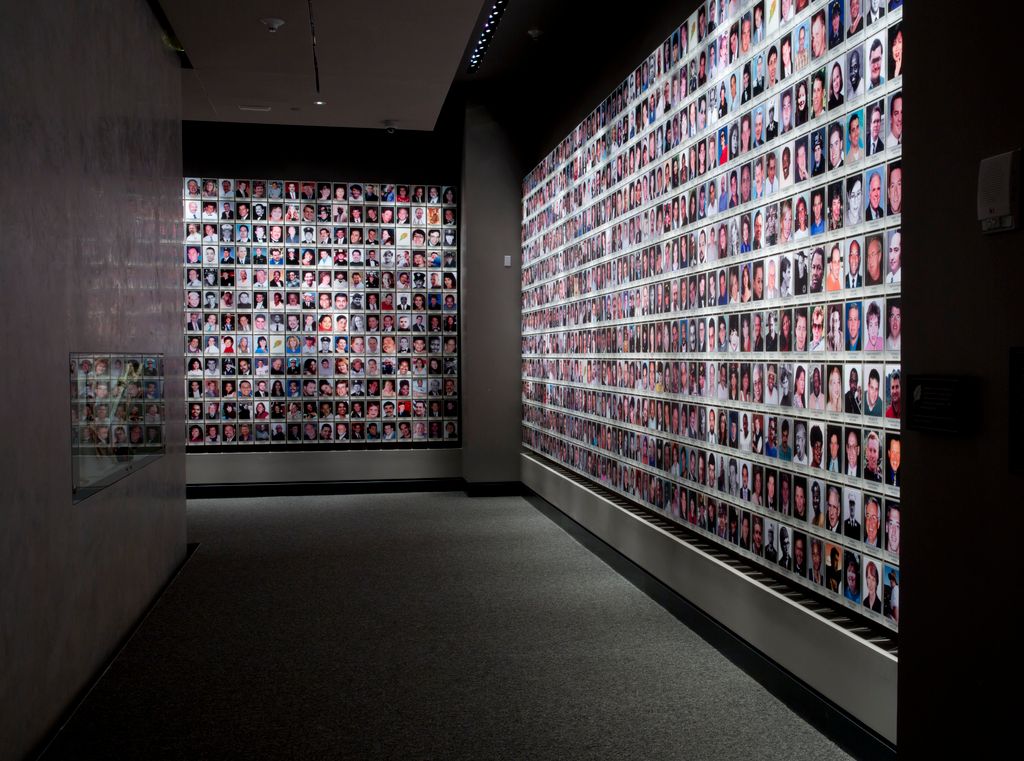
Opened in 2014, the National September 11 Memorial & Museum sits on the original site of the World Trade Center. The memorial is home to two large reflecting pools with 30-foot waterfalls and the names of the victims from both the 2001 and 1993 attacks are etched into bronze panels that outline the reflecting pools.
There is also a Survivor Tree, a pear tree that actually endured the attacks and was still standing after the collapse, and a memorial garden that honors the first responders and recovery workers who helped clear the site.
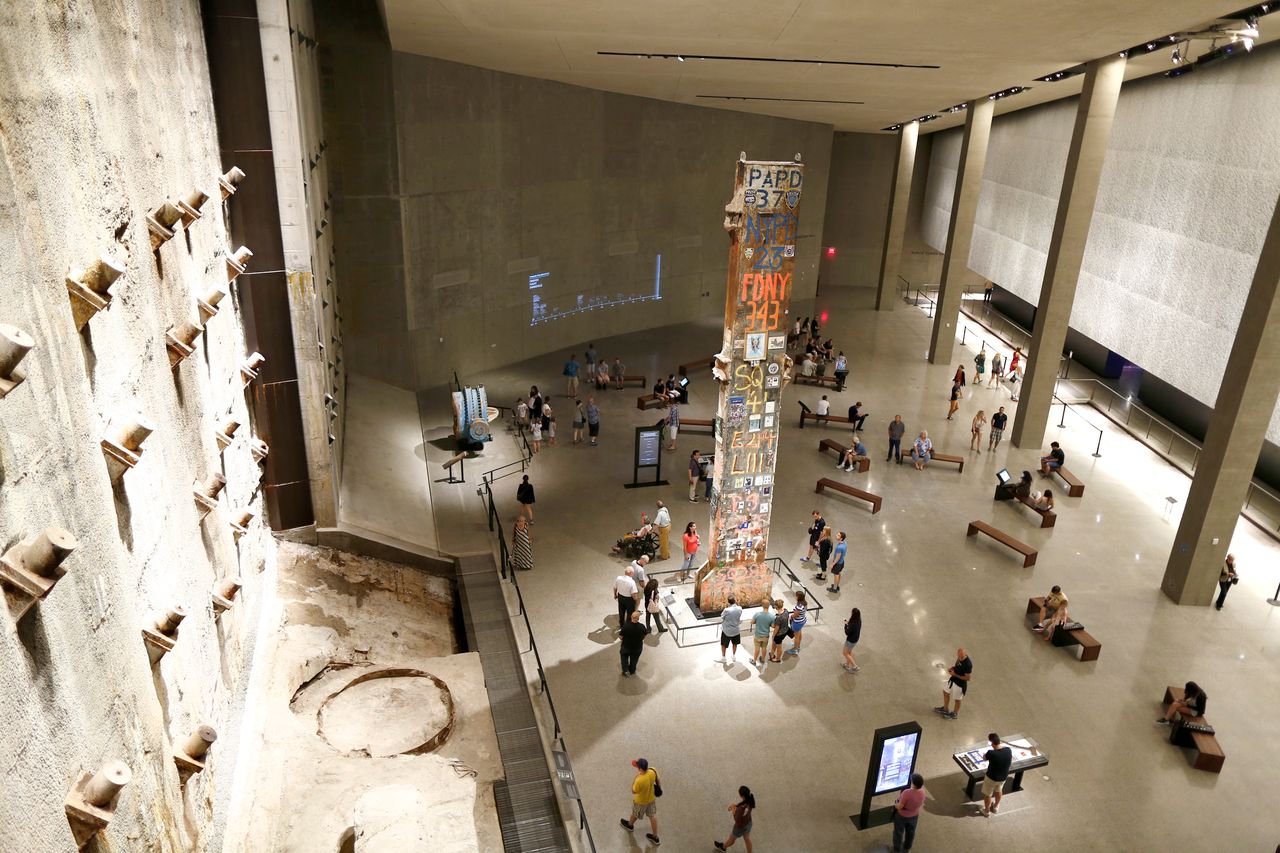
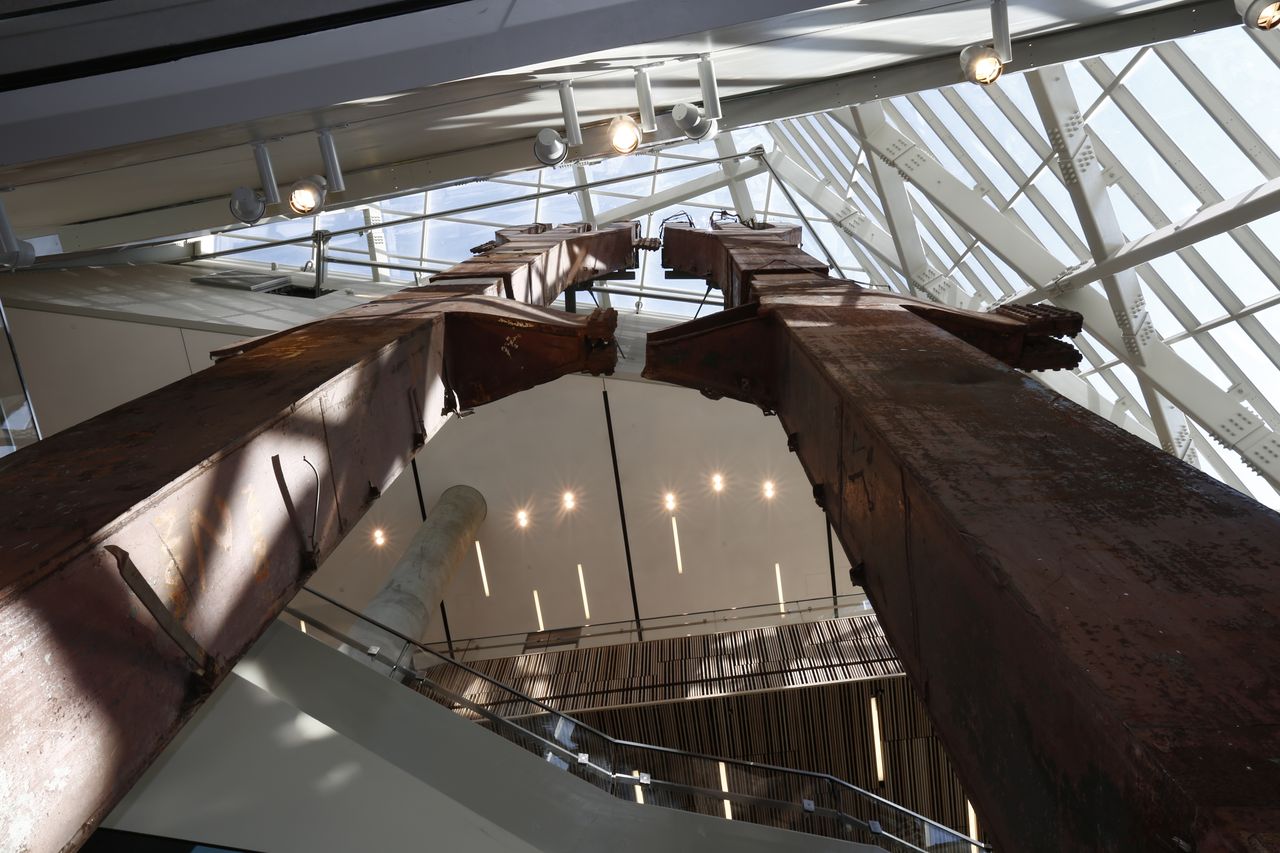
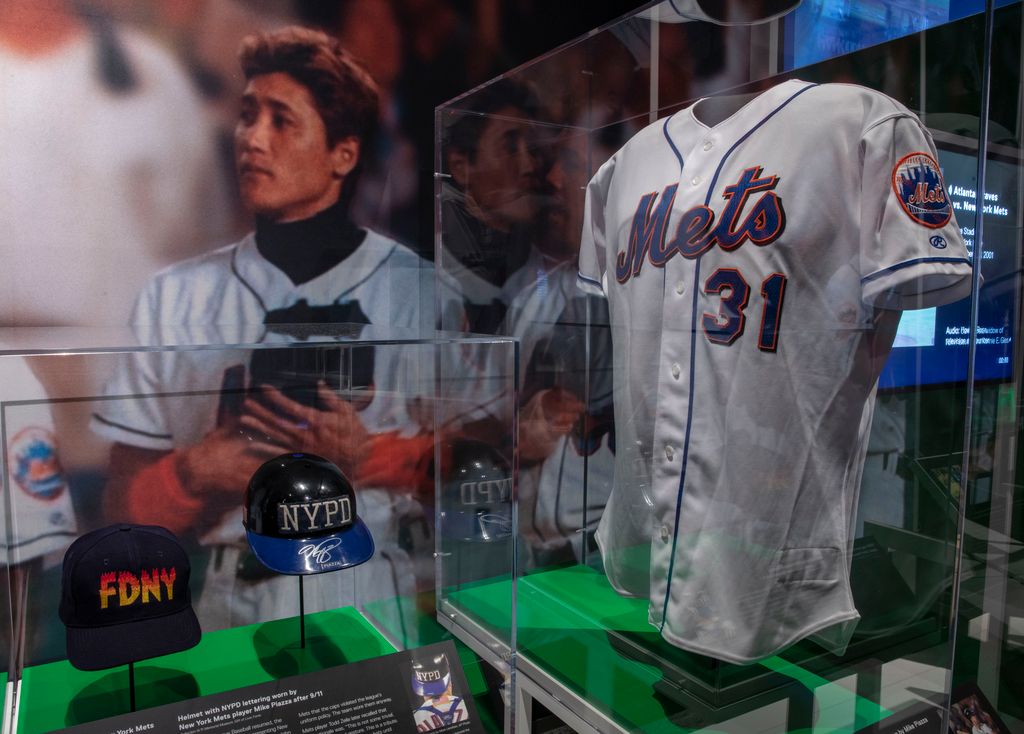
Inside the museum, visitors are taken underground into the foundation where the towers once stood. Once inside, there are numerous artifacts and exhibits that showcase what happened on that fateful day, tributes to victims, and personal items donated by victims’ families. In total, the museum has over 14,000 items that it has preserved from that day.
Joyce worked her way up at the museum from a visitor services member to Manager of Interpretive Programs. One job in particular saw Joyce oversee the volunteer docents, while another job included Joyce giving tours to visitors of the site.
“I remember I was giving a tour once and at the end of the tour, a gentleman came up to me and told me that he was there on 9/11. He shared with me how he was stranded in New York City and he walked up the island of Manhattan, and he had gotten to Harlem and his shoes had basically fallen apart. This person on the street stopped him and this stranger on the street says ‘you were in the towers’ and the stranger in Harlem took his shoes off and gave this to this man who had escaped the towers and then found him a ride so he could get home,” Joyce said.
Joyce noted the anniversary was always a hard day to work.
“After the anniversary ceremony, there was always a time when the plaza was closed to the public, and it’s just the families and they would all leave things. Walking the plaza after the family members left was always one of my favorite things and a very meaningful moment,” Joyce said.
From balloons, teddy bears, letters, and favorite items, any item that is left behind by a family is photographed and stored in the museum archives.
According to Joyce, while the museum showcases the horror of 9/11, it also remains a beacon of hope.
“There is so much compassion in that place, and there were so many stories that we heard. We talk about 9/11, and we focus on the fact that 3,000 people were killed, which is this enormous tragedy, but the other thing to remember is that there were like 80,000 people in those buildings, so 75,000 people survived. This is the most successful rescue operation in the history of the United States and New York City. Those stories, and we talked to so many first responders who came back, and survivors and family members, and their stories were just so incredible and so positive and so comforting,” Joyce said.
Joyce left the museum in 2022.
Now working as a Preservationist and Community Outreach Manager in Richmond, Joyce still applies much of what she learned from the museum to her life today.
“The conversations that I had with those people, there was a lot of misinformation out there, there was a lot of emotion, there was a lot of feelings and at the end of the day, most people there wanted something positive. They wanted to know what happened, they were trying to understand how this thing had impacted their world and what it meant to them, some of them are trying to work through emotions, some of them weren’t but it makes me happy when people do that and I want to encourage that and I want people to be questioning and interacting with their world and with the past. I want it to mean something. There is so much awful history in our country and if we’re not talking about it and thinking about it and digging into it even when it’s uncomfortable, then what was the point?”
Learn more about the National September 11 Memorial & Museum.