



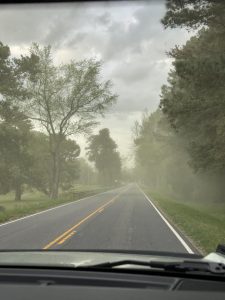
HISTORIC TRIANGLE — Spring has officially sprung in Hampton Roads, and along with the flowers and trees blooming, the pollen has also returned, causing allergy sufferers to get the sniffles.
From pollen clouds to pollen-covered vehicles, many folks in the Hampton Roads area are feeling the effects of the early spring weather in their ears, noses, and throats.
According to Dr. Kent Lam, associate professor of Otolaryngology — Head and Neck Surgery at Eastern Virginia Medical School Medical Group, environmental changes are having a direct impact on allergy severity, leading to increased pollen and dust levels in the air.
“The global severity of allergic symptoms is changing because of fluctuations in weather patterns,” said Dr. Lam in an EVMS press release. “Allergy occurs because our immune system recognizes that there are more pollen and dust in the environment and mounts reactions that result in typical seasonal symptoms, like sneezing, nasal congestion, and a runny nose.”
The National Allergy Bureau, Richmond Office is also working on pollen counts for the 2025 spring allergy season. Current trends show that the Juniper family Cedar, Birch, Elm, Alder, Poplar, Cottonwood, Aspen, and Mulberry trees are in bloom and represent the main cause of pollen issues this spring.
According to the Asthma and Allergy Foundation of America, February through April is when trees hit peak pollen production, April through June is when grass hits peak pollen production, and August through the first frost is when weeds hit peak pollen production.
As springtime weather continues in the Historic Triangle, Dr. Lam shared some tips to help allergy sufferers this season.
“Patients can take steps such as avoiding outdoor activity when pollen levels are high, using a portable HEPA filter in the house, and regularly maintaining air conditioning and heating filters,” he advised in the press release. “There are a variety of options, including corticosteroid nasal sprays, antihistamine nasal sprays, and oral antihistamines, which can relieve and also prevent symptoms when high levels of environmental allergens are present.”
Monitoring pollen forecasts can help aid sufferers as well. Forecasts for pollen counts can be found on weather.com. Each week, the site shows the breakdown of the pollen count, what type of pollen is affecting the area most, and a rating system of whether the allergy forecast is low, moderate, or high.
For more tips on dealing with pollen allergies or an updated pollen forecast, visit pollen.com.