


NEWPORT NEWS — As spring approaches, warmer temperatures return — and so does the risk of severe weather. During Severe Weather Awareness Week, observed March 9-13, the Hampton & Peninsula Health Districts urge you to plan ahead before storms strike.
The HPHD says that spring storms can bring a variety of severe weather hazards, including tornadoes, thunderstorms with lightning, and flooding. The HPHD is offering tips to keep people safe during severe weather events.
“Severe weather doesn’t wait until we’re ready, and it can impact any community on the Peninsula, often with little warning,” said HPHD’s Local Emergency Coordinator, Mariel Waller. “We encourage everyone to take time to understand severe weather risks, make a plan with their loved ones, and stay informed so they can respond quickly when seconds count.”
Tornadoes
Tornadoes can form with little or no warning and bring winds more than 200 miles per hour.
HPHD advises that if you are indoors:
- Go to a basement or storm shelter.
- If you do not have a basement, choose an interior room or hallway on the lowest floor, away from windows.
- Do not stay in a mobile home.
- Remain sheltered until you are sure the storm has passed.
It is advised if you are outdoors:
- Seek shelter in a sturdy building immediately.
- If driving, go to the nearest safe structure if possible.
- If no shelter is available, lie in a low area away from trees and objects that could become airborne.
- Do not shelter under bridges or overpasses.
Thunderstorms and Lightning
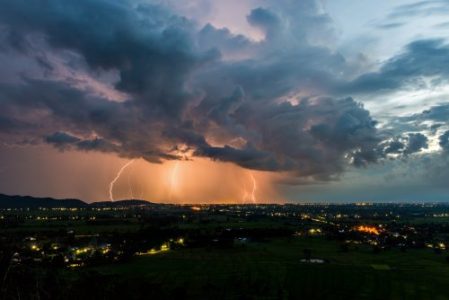
Thunderstorms can form quickly, bringing strong winds and dangerous lightning. Lightning can strike up to 10 miles from a storm.
HPHD says to stay safe:
- Trim trees and secure loose outdoor items before storms.
- Go indoors at the first sign of thunder or lightning, and bring pets inside.
- Stay away from windows.
- Avoid using electronics or anything plugged into an outlet.
- Stay out of showers and away from plumbing.
- Remain indoors for at least 30 minutes after the last thunder.
If you cannot get indoors, avoid water, tall trees, and metal objects such as fences or bleachers. If someone is struck by lightning, call 911 immediately.
Flooding
Floods are the most common disaster in the United States. Floodwater can contain debris, chemicals, and other hazards.
HPHD says key safety reminders are:
- Never walk, swim, or drive through floodwater. Turn Around, Don’t Drown!
- Six inches of moving water can knock you down; one foot can sweep away a vehicle.
- Avoid bridges over fast‑moving water.
HPHD says that Severe Weather Awareness Week is an opportunity for you to review safety plans, refresh emergency kits, and learn how to stay informed before storms strike. Severe weather can develop quickly. Taking simple steps now can help protect you and your family.
- Have a plan. Talk with your family about where to go and what to do if severe weather occurs. Make sure everyone knows the safest places in your home and how to communicate during an emergency. You can create a family emergency plan online.
- Build an emergency kit. A disaster supplies kit includes the basic items your household may need if you must shelter in place for several days. This may include water, non‑perishable food, flashlights, batteries, medications, and important documents. Guidance on what to include and where to store your kit is available at ready.gov.
- Stay informed. Reliable alerts save lives. Use a weather radio, the FEMA app, or local alert systems to receive timely warnings. Check the settings on your mobile device to ensure you can receive Wireless Emergency Alerts (WEAs). Make sure you understand the difference between watches and warnings so you know when to take action.
For questions about weather safety, please contact the Hampton Health District at (757) 727-1172 and the Peninsula Health District at (757) 594-7300.

