


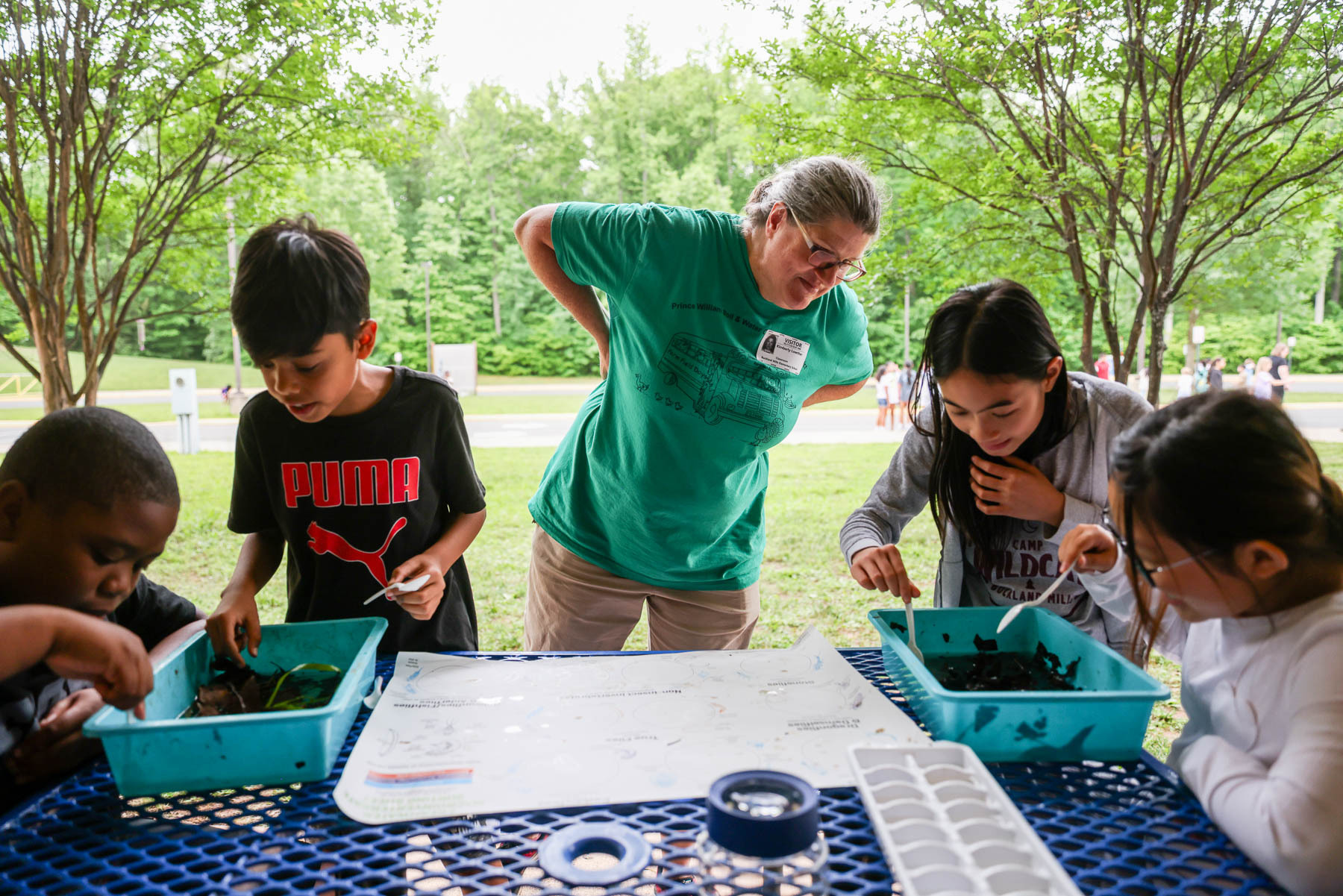
ANNAPOLIS — The Chesapeake Bay Program announced it found growth in reports of Meaningful Watershed Educational Experiences and Environmental Literacy Planning for K-12 students in Virginia, Pennsylvania, Maryland and Delaware — two of the environmental education outcomes of the Chesapeake Bay Watershed Agreement.
This follows a slight decline during the COVID-19 pandemic.
A voluntary survey, the Environmental Literacy Indicator Tool, or ELIT, was used to measure progress toward the Chesapeake Bay Program’s Environmental Literacy Planning Outcome. In this survey, school districts were asked to indicate whether they had environmental education programs, established program leaders, methods of training teachers and administrators, and other elements critical to a comprehensive and systemic approach to environmental education, according to the Chesapeake Bay Program.
In 2024, 19% of respondents identified themselves as being “well prepared” to put a comprehensive and systemic approach to environmental literacy programming in place, while 57% said they were “somewhat prepared” and 25% said they were “not prepared”. This was a 2% increase from 2022 in respondents being “well prepared”, according to CPB.
Payton Hesse, environmental literacy specialist with the Office of Teaching and Learning Instructional Programs and Services with the Maryland Department of Education, described some of the program’s future goals.
“Building on our past success, our targets for 2040 underscore our commitment to ensuring all students have the opportunity to investigate and take informed action to address environmental challenges that impact their lives, communities and the watershed,” Hesse said.
Another survey gathered information on students’ Meaningful Watershed Educational Experiences, according to the CBP. The results show a 9.6% growth in MWEEs in elementary schools from 2022 to 2024, while middle schools grew by 9.7%. High schools grew by a larger size, at 12.6%. The survey reflects that 30-33% of K-12 institutions provide MWEEs to at least one grade level.
“Working in Richmond, Virginia, I have seen the way the James River becomes a place of curiosity and solace for students, and I know how connecting with a sense of place can drive one to act on issues in their community,” remarked Meredeth Dash, environmental education specialist with the Alliance for the Chesapeake Bay in Virginia. “Richmond Public Schools recently published an Environmental Literacy Plan, which for a community partner like me, provides a roadmap to follow so that my programs reach these students, and I can continue to support MWEEs across the school district.”
According to the Chesapeake Bay Program, on July 1, members of the public are invited to weigh in on the draft of the revised Watershed Agreement, which will include new outcome language and targets for these two environmental education-based outcomes. Information on how to participate in the 60-day public feedback period, as well as the most up-to-date information on the revised Watershed Agreement, is available on the Chesapeake Bay Program website.
The full 2024 ELIT survey results can be found on the Chesapeake Bay Program website.

