


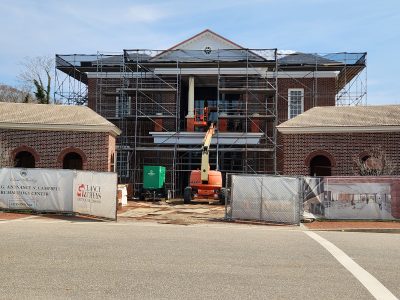
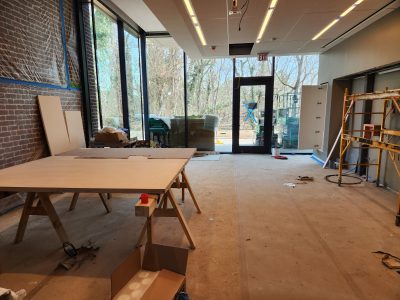
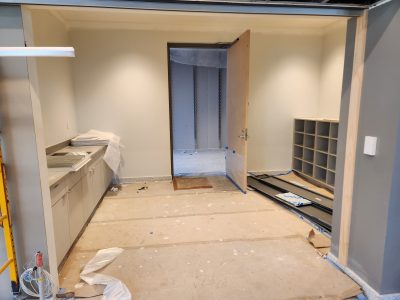
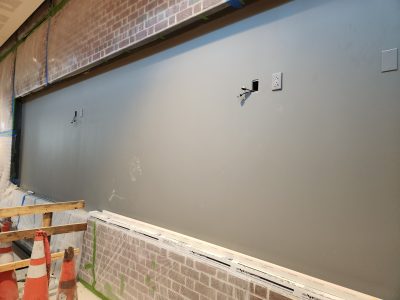
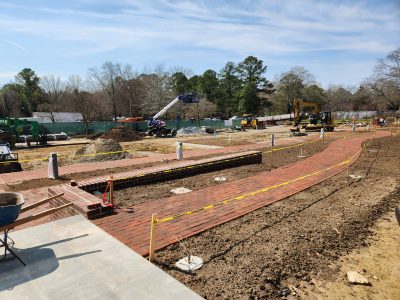
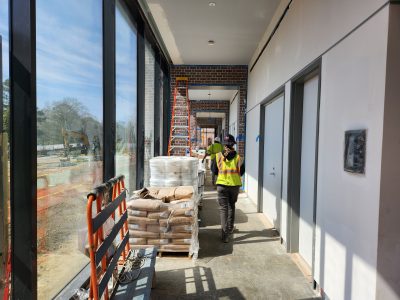
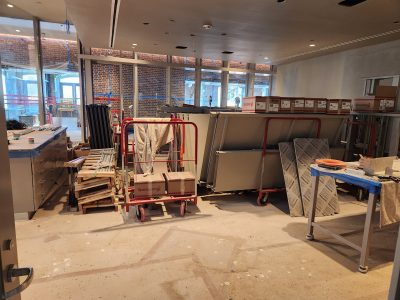
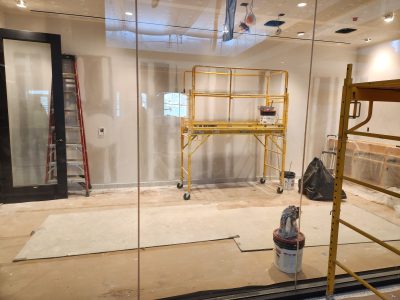
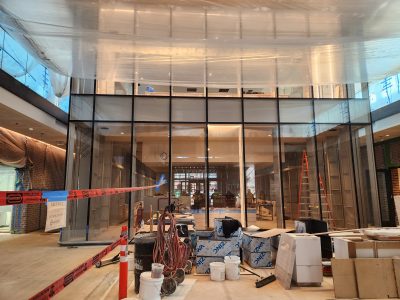
WILLIAMSBURG— The Colonial Williamsburg Foundation allowed a preview of its new Colin G. and Nancy N. Campbell Archaeology Center, which is slated to open to the public in late April.
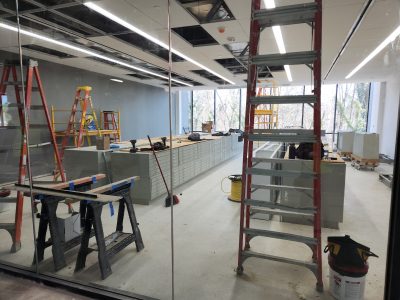
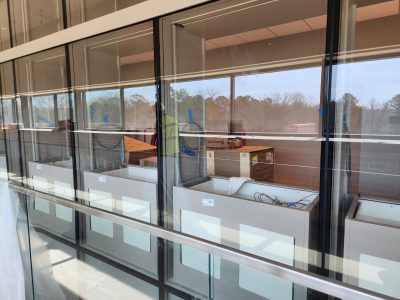
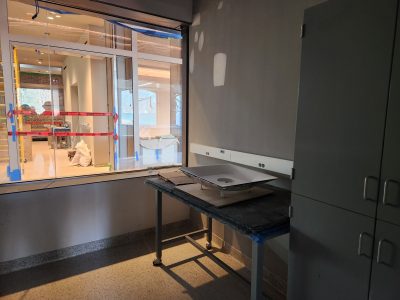
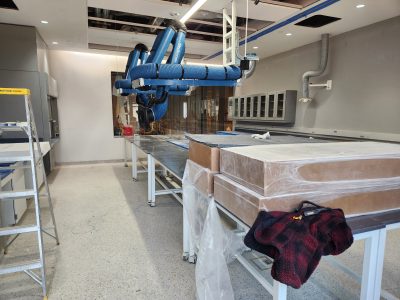
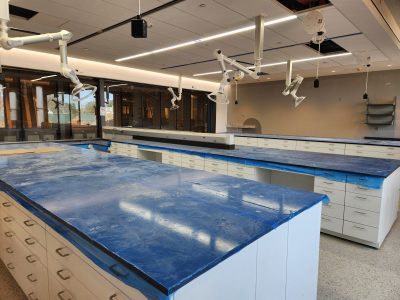
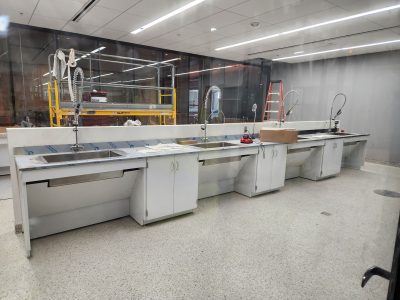
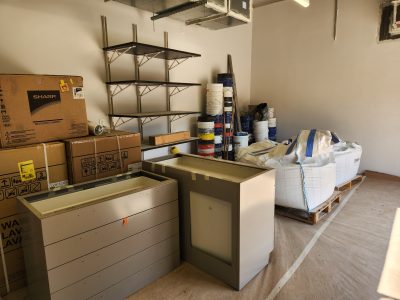
According to the Colonial Williamsburg Foundation, this new building will contain state-of-the-art laboratories, modern equipment, and curated collections, which will be open to visitors seven days a week. The center provides guests with an opportunity to observe and interact with archaeologists as they clean, study, and analyze artifacts and the historical evidence that helps us recreate life in the past.
Archeology has taken place at Colonial Williamsburg for almost 100 years. In that time, CW has amassed a collection of around 60 million artifacts. Even with that, it is estimated by CW that only about 30% of the historic area has been uncovered, and it says there are still many careers and decades of work left to do.

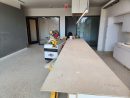
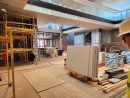
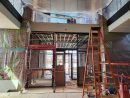
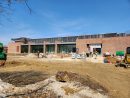
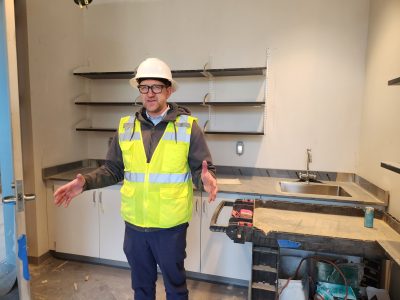
“Even though we’ve been doing the work for that long, we’ve never had a purpose-built facility for the archeology department,” said Jack Gary, Colonial Williamsburg’s Executive Director of Archaeology.
Gary says one of the big disadvantages of the current facilities is that they cannot show the work to the public.
“We want to be able to show our guests what we do as archaeologists. We also need space that is practical and built for archaeologists, and we also want to put on exhibit many of the artifacts that we’ve excavated. 60 million artifacts and nobody gets to see them but us,” Gary explained about the building’s purpose. “The new archaeology center allows us to combine all of those things.”
“It is meant to be a facility where our guests come in, and they get to see archaeologists in action in a laboratory,” Gary said.
CW will be keeping the warehouse facility where 75% of the current collection will remain, and then 25% will be relocated to the new archaeology center.
The facility combines storage, exhibit, research, and teaching space, which CW says it has been unable to find another facility like it in the country. This is also the only CW building that has been dedicated to archeology.
The Squabbit
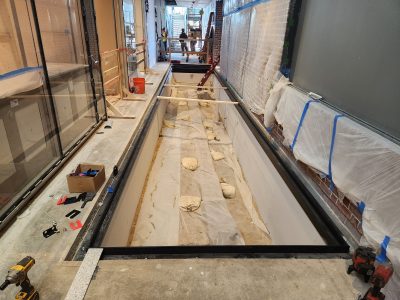
During the construction of the archaeology center, they hit the foundations for a late 17th- early 18th century house that used to stand on the site. CW excavated the cellar of the house and found it was full of artifacts, all dating to the early 18th century.
One of the artifacts was a tin enamel plate, a type of ceramic plate, that had a design on it. It was fragmentary, but when it was put together, the design formed a squirrel that had been painted in the center of the plate.
CW says it was specifically of an English squirrel which has tuffs of fur on its ears that makes them different from the ones in North America. The painter had painted a big fluffy tail, but to make the tuffs it was designed to look like rabbit ears.
“It looks like a squirrel and a rabbit had a baby, so we affectionately refer to it as the Squabbit,” said Gary.
Gary says the reason they like it so much is not only is it fun, but it was found at the site and will be used to guide guests through the different laboratories.
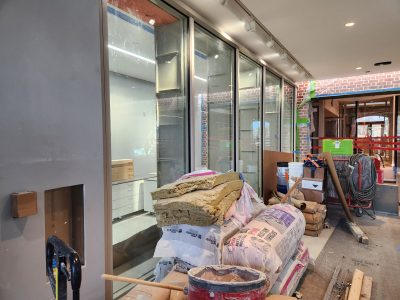
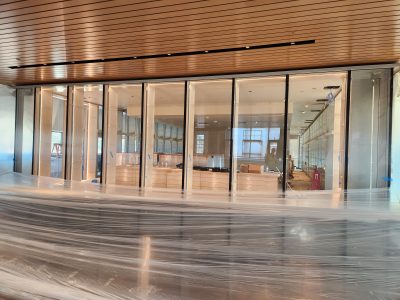
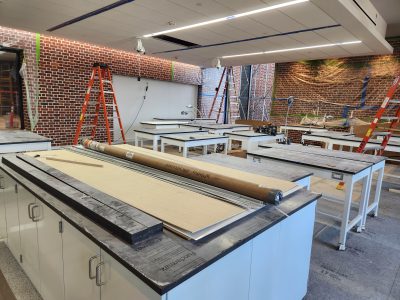
“We want our guests to follow what happens to an artifact when it comes out of the ground,” he explained. Video monitors will show the process of the Squabbit plate going through the archaeological lab process. The plate will also be on display in one of the exhibits that guests can visit and see.
“It’s almost become the mascot of the archaeology building,” Gary laughed after explaining the story.
In addition, a portion of the foundation excavated will also be able to be observed along with a well uncovered during the building process through glass flooring.
The building will be completed in April and will have a grand opening on April 25-26 with a ribbon cutting at 9 a.m. on April 25, where the public will be welcomed in.
To learn more about the building and CW, please visit the official website.

