


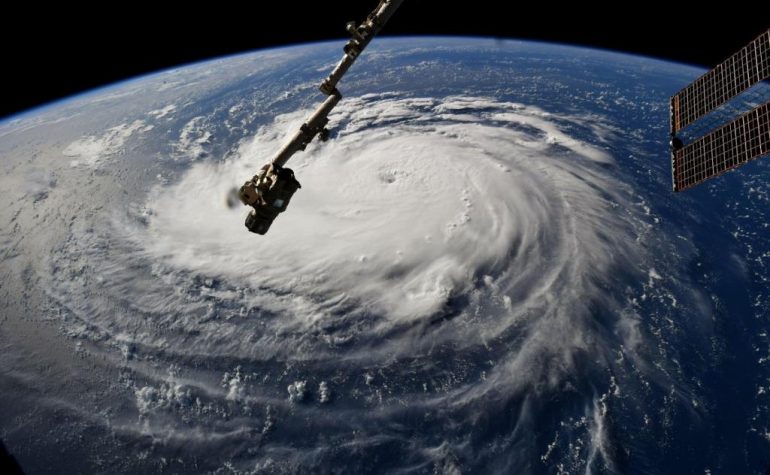
While fall is the time to start pulling out those flannels and getting pumpkin flavored drinks, it is also the time of year that Hampton Roads experiences the most damaging hurricanes and storms.
“We’re in the height of hurricane season now,” said Mike Dutter, a science and operations officer with the National Weather Service. “It’s mainly at this point we start to see now through October warmer waters across the Atlantic.”
Dutter said from predictions based on current conditions, there will be about 10 to 17 “named storms,” meaning storms that are at least 39 mph, and five to nine hurricanes, which are 74 mph.
On average, the Atlantic typically only gets about 12 total storms a year.
But those predictions are the total number across the Atlantic Ocean, he said, and some of them may or may not have a direct impact on Hampton Roads.
RELATED STORY: Here’s the price tag should a major hurricane hits Hampton Roads
Direct landfall from a hurricane or tropical storm does not typically happen in the Hampton Roads region, he said.
“For the next few weeks or so, the tropics will be very quiet,” he said. “We’re only just getting into the heart of [hurricane] season now.”
Storms that hit Hampton Roads typically come from the southeast, he said. Usually, if a hurricane makes landfall in North Carolina or South Carolina then it will move up to impact Virginia.
That happened last year with both Hurricane Florence in September and Hurricane Michael in October, both of which caused damage to the region and resulted in loss of power, Dutter said.
He said some of the effects of the storm isn’t necessarily just a hurricane moving through. When Hurricane Michael made landfall over North Carolina, Hampton Roads was impacted days later by a series of tornadoes.
RELATED STORY: Tornado warnings were issued Monday. Here’s why you were not alerted
Dutter said while hurricane prediction technology has significantly increased over the past decade, it is still difficult to predict any storm weeks or months in advance.
The National Hurricane Center in Miami has outlooks out to seven days with potential tropical storm and hurricane activity, he said. Once a storm is named, the center will do forecasts every six hours.
“People can get an idea four or five days out that a hurricane might be hitting a particular area,” he said. “In a general sense, we have a better idea now of where it might be heading out to five days as opposed to 20 years ago.”
Even with all the predictions, Dutter said people shouldn’t wait to prepare. Typically storms move quickly and people should form a plan in case of emergency ahead of time.

