

YORK COUNTY — York County voters rejected a referendum that would’ve allowed the board of supervisors to impose an additional 1% sales tax to help pay for school construction and major renovations. The tax was projected to generate approximately $12 million in revenue, according to the county’s public affairs office.
According to unofficial results from the Virginia Public Access Project, 20,025 voters, or 61.01%, opposed the referendum, while 12,795, or 38.99%, supported it.
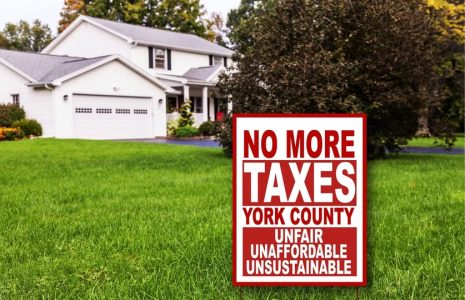
Steve Kennedy of the No New Taxes York County organization called it a “resounding defeat for the county [and] for the [Board of] Supervisors.”
The primary criticisms of the referendum were affordability and lack of transparency.
According to the county’s website, the general sales tax rate in the Hampton Roads region is 6%. But York County, James City County and Williamsburg have an additional 1% regional Historic Triangle sales tax, which took effect July 1, 2018. That brings the rate in the three localities to 7%, the highest in Virginia, according to the Virginia Department of Taxation.
“It was presented as 1% just for the kids and it’s not,” Kennedy, who lives in District 1, said. “[We] would be the most taxed voters in the entire Commonwealth.”
Kennedy said he and other residents also took issue with the school division and the county reportedly encouraging voters to vote in favor of the referendum. Board of Supervisors Chairman and District 1 representative Douglas Holroyd wrote in his September newsletter that he felt “quite compelled to vote YES for the sales tax referendum.”
“The Board of Supervisors kicked the issue to voters … but then vigorously campaigned on it,” Kennedy said. “That’s the kind of stuff that really ticks people off when you say you want transparency.”
In a news release from the county, Holroyd expressed appreciation for those who participated in the referendum decision, saying that though the referendum didn’t pass, the “financial challenges associated with funding these projects remain.”
According to the county, its current six-year Capital Improvements Program identifies approximately $17 million in school capital projects, including expansions and renovations. The money generated from the sales tax was intended to provide additional funding for these projects.
“Without that revenue, the county will need to reevaluate the timing, scope and funding of planned school improvements,” the news release said. “Options may include deferring or eliminating certain projects, modifying project scopes, or identifying other revenue sources, potentially including real estate taxes.”

